
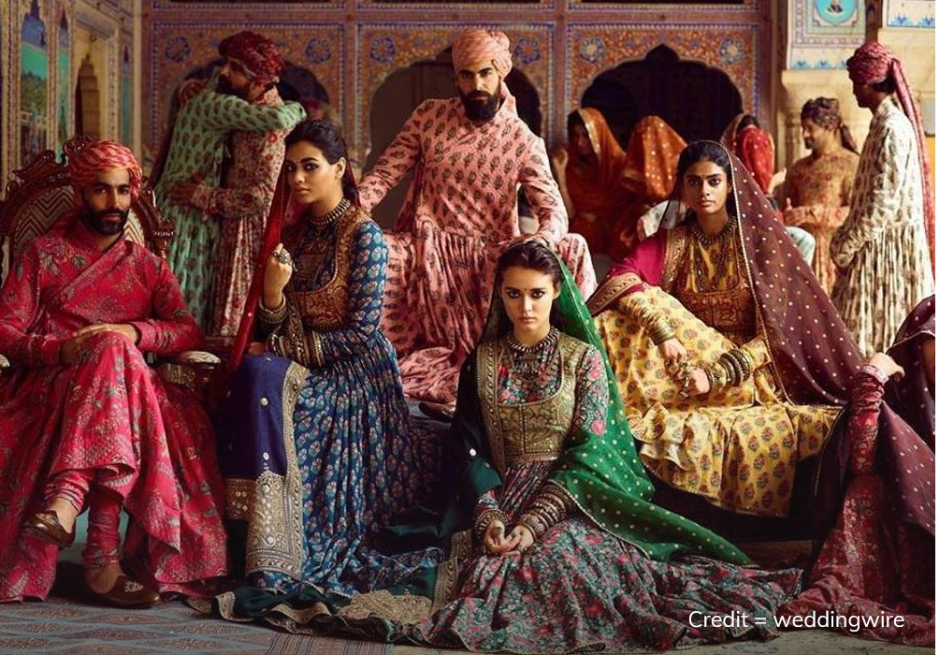
Rajasthan, the “Land of Kings,” paints a vivid picture of India’s royal past. Its vast desert landscapes are punctuated by magnificent forts, opulent palaces, and a culture bursting with color and life. From the golden sands of the Thar Desert to the bustling bazaars of Jaipur, Rajasthan is a state defined by its history of Rajputana royalty, vibrant festivals, and unparalleled hospitality. This rich heritage is woven directly into its traditional clothing and crafts, creating a visual language that is both timeless and breathtaking.
The arid climate has long dictated the need for lightweight, breathable fabrics, while the royal courts patronized artisans, leading to the development of some of the world’s most intricate textile techniques. Today, these ancient traditions continue to captivate and inspire, influencing modern fashion and design trends across the globe. This guide will take you on a journey through the heart of Rajasthan’s stylistic heritage, exploring its iconic garments, exquisite crafts, and enduring cultural legacy.
Traditional Clothing / Ethnic Wear
Rajasthani attire is a brilliant reflection of its culture—vibrant, detailed, and full of life. The clothing is designed for both the climate and a lifestyle steeped in tradition.
Women’s Attire
The quintessential attire for Rajasthani women is the combination of a ghagra, choli, and odhni.
- Ghagra: This is a long, flared skirt, often decorated with stunning embroidery, mirror work, or bold prints. Made from fabrics like cotton for daily use and silk or brocade for special occasions, the ghagra’s wide circumference creates a graceful, swirling silhouette.
- Choli: A fitted blouse worn with the ghagra, the choli can range from simple and short-sleeved to heavily embellished with intricate needlework.
- Odhni: A long veil or scarf, the odhni is a vital part of the ensemble. It is draped over the head and shoulders, serving as a symbol of modesty and grace. Often featuring delicate embroidery or tie-dye patterns, it completes the traditional look.
The colors are typically bright and joyous—shades of red, yellow, orange, and green dominate, creating a stunning contrast against the desert backdrop.
Men’s Attire
Men’s traditional clothing in Rajasthan is equally distinctive and regal.
- Dhoti or Pajama: The lower garment is usually a dhoti (a long piece of unstitched cloth wrapped around the waist and legs) or a pajama.
- Kurta or Angarkha: This is paired with a kurta or, for a more formal look, an angarkha. The angarkha is a wrap-style tunic, tied at the side, that was historically worn by royalty and courtiers.
- Safa/Pagri: The most iconic accessory for men is the turban, known as a safa or pagri. This long strip of cloth is wound around the head in various styles that can signify a man’s region, community, or social status. The colors are often vibrant, especially during festivals and weddings.
- Kamarbandh: A waistband or sash, the kamarbandh, was traditionally used to hold a sword or dagger and adds a touch of elegance to the outfit.
Jewelry & Accessories
Rajasthan is a treasure trove of exquisite jewelry and accessories.
- Kundan and Meenakari: These are two of the most famous jewelry-making techniques from the region. Kundan involves setting polished gemstones in a gold foil base, while Meenakari is the art of enameling metal surfaces with vibrant colors.
- Lac Bangles: Brightly colored lac bangles, often encrusted with mirrors or stones, are a staple for women.
- Mojris: These are traditional handcrafted leather shoes, often decorated with intricate embroidery. They are known for their comfort and durability.
- Embroidered Bags: Colorful bags embellished with mirror work and threadwork are a popular accessory, adding another layer of artistry to any outfit.
Crafts, Textile Techniques & Prints
The heart of Rajasthani style lies in its world-renowned textile crafts, passed down through generations of skilled artisans.
- Bandhani (Tie-Dye): This ancient technique involves tying small sections of fabric with thread before dyeing it, creating intricate patterns of dots. The resulting designs are vibrant and symbolic, with different colors and patterns used for various occasions.
- Leheriya: A special form of tie-dye, leheriya (meaning “wave”) produces diagonal striped patterns. This craft is traditionally associated with the monsoon season.
- Block Printing: Using hand-carved wooden blocks, artisans stamp patterns onto fabric. Sanganer and Bagru are two famous centers for this craft, each with its own distinct style and motifs, often inspired by nature.
- Gota-Patti Embroidery: This unique embroidery uses small pieces of gold or silver ribbon (gota) that are appliquéd onto fabric to create elaborate designs. It adds a rich, festive feel to sarees, lehengas, and odhnis.
- Kota Doria: A lightweight, airy fabric woven in Kota, this textile is known for its distinctive square-check pattern (khat). It is perfect for the hot climate and is often used for sarees and suits.
Cultural Context – Lifestyle, Tradition & Heritage Influences
The clothing and crafts of Rajasthan are deeply connected to its geography, history, and social fabric.
The desert climate has made breathable cotton and lightweight silks the fabrics of choice. Full-coverage garments like the ghagra and dhoti, along with the odhni and turban, provide essential protection from the harsh sun and sand. The vibrant colors stand in stark contrast to the pale desert landscape, symbolizing life and celebration.
Traditions of modesty are reflected in the way women drape the odhni, covering their heads as a sign of respect. For men, the turban is a powerful symbol of honor and pride. The specific style and color can communicate a wealth of information about the wearer. Historically, the Rajputana royal courts were great patrons of the arts. They fostered the development of crafts like Kundan jewelry, Gota-Patti embroidery, and fine weaving, elevating them to an art form.
When & How These Styles Are Worn Today
While rooted in tradition, Rajasthani styles remain incredibly relevant.
- Everyday vs. Special Occasions: Simple cotton ghagras and kurtas with block prints are still worn in rural areas for daily life. For weddings and festivals like Teej and Gangaur, people don elaborate silk outfits with heavy Gota-Patti embroidery and brilliant Bandhani designs.
- Modern Reinterpretations: Contemporary designers frequently draw inspiration from Rajasthan. You can find Bandhani patterns on modern dresses, Leheriya scarves paired with western wear, and block-printed fabrics used for home decor. Fusion wear, such as crop tops paired with ghagras or Angarkha-style jackets worn over jeans, is popular among the fashion-forward.
- Styling Tips:
- Incorporate one traditional piece into a modern outfit. Pair a block-printed skirt with a simple white shirt or wear a Bandhani dupatta with a plain kurta.
- Let a heavily embroidered piece be the star. If you’re wearing a Gota-Patti lehenga, keep your jewelry minimal.
- Accessorize with mojris or an embroidered bag to add an ethnic touch to any look.
Why It Matters – Heritage, Identity & Fashion Inspiration
Preserving these crafts is not just about fashion; it is about protecting a rich cultural heritage and supporting the livelihoods of thousands of artisans. Each hand-tied knot in a Bandhani scarf and every stamped motif on a block-printed cloth tells a story of skill, tradition, and identity.
In a world of mass production, the appeal of handcrafted, authentic items is stronger than ever. Rajasthani styles offer a connection to a legacy of craftsmanship and artistry. They inspire global fashion with their bold colors, intricate patterns, and timeless elegance, proving that tradition and modernity can coexist beautifully.
Explore the Royal Legacy
Rajasthan’s style heritage is a vibrant celebration of history, craftsmanship, and culture. From the graceful swirl of a ghagra to the intricate detail of a Kundan necklace, each element is a testament to the region’s royal past and artistic soul.
We encourage you to explore this rich world further. Consider adding a piece of Rajasthan to your wardrobe, whether it’s a vibrant Bandhani scarf, a pair of handcrafted mojris, or a stunning block-printed dress. By doing so, you not only embrace a beautiful aesthetic but also help keep these invaluable traditions alive for generations to come.
The post The Ultimate Guide to Rajasthan – Heritage, Textiles & Traditional Style appeared first on Aza Editorials.