
Spring brings a wave of vibrant colors and joyous celebrations, and few festivals capture this energy quite like Baisakhi. Celebrated by Sikhs and Punjabis worldwide, this significant day marks the solar new year and the start of the spring harvest. More importantly for the Sikh community, it commemorates the formation of the Khalsa Panth by Guru Gobind Singh in 1699. Across the United States, Baisakhi transforms city streets and local Gurdwaras into lively hubs of devotion, music, and community. From grand Nagar Kirtan processions in California to bustling community melas in New York, the festival is a beautiful expression of culture. A major part of this expression comes through traditional clothing. Wearing authentic Punjabi attire allows you to connect with your roots, show respect, and fully immerse yourself in the festive spirit.
The Cultural Significance of Baisakhi Attire
Dressing up for Baisakhi goes far beyond simply picking out a beautiful outfit. The clothes you choose serve as a visual celebration of Punjabi heritage. Traditional garments reflect the rich history of the region, utilizing bold colors, intricate embroidery, and flowing fabrics that allow for freedom of movement. During Baisakhi, you will notice a sea of yellow, mustard, and orange. These vibrant hues, known as basanti and kesari, hold deep meaning. They represent the golden wheat fields ready for harvest in Punjab, the spirit of rebirth that spring brings, and the historical courage of the Khalsa. When you select garments like a sharara suit or an embroidered jacket in these colors, you actively participate in the visual storytelling of the festival.
Celebrities Who Showed Us How to dress for Baisakhi
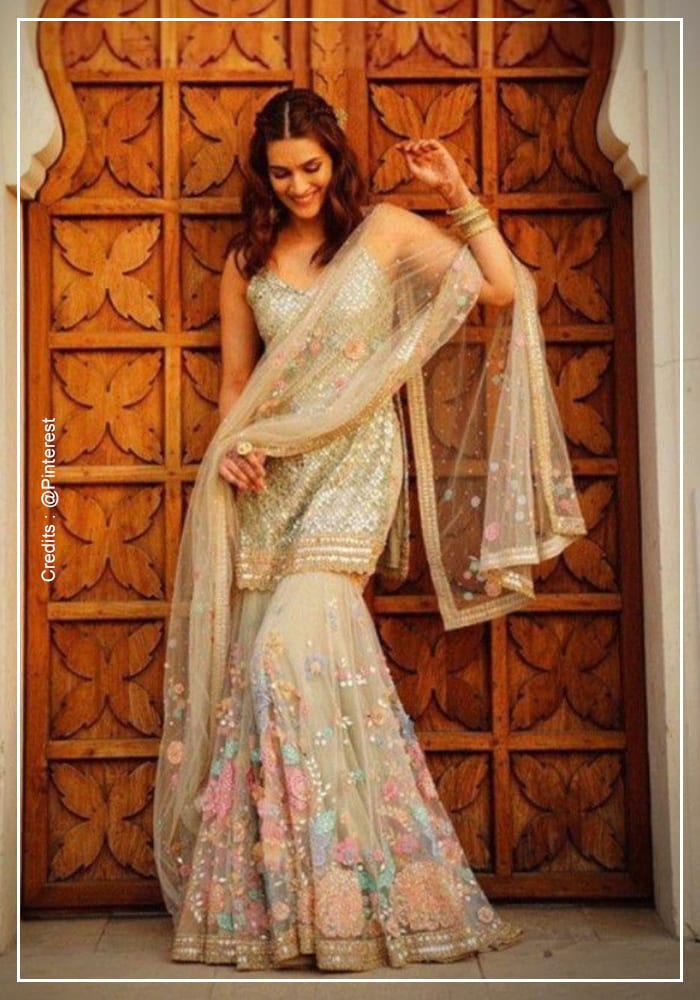
Sharara Suits
A sharara suit features a short tunic (kameez) paired with wide-legged, flared pants that look almost like a flowing skirt from the knee down. This silhouette traces its origins back to royal courts, but it has evolved into a beloved festive staple across South Asia. The wide flare of the pants provides excellent mobility, making it the perfect outfit if you plan to join in on the energetic Giddha or Bhangra dances.
Styling the Sharara for Baisakhi
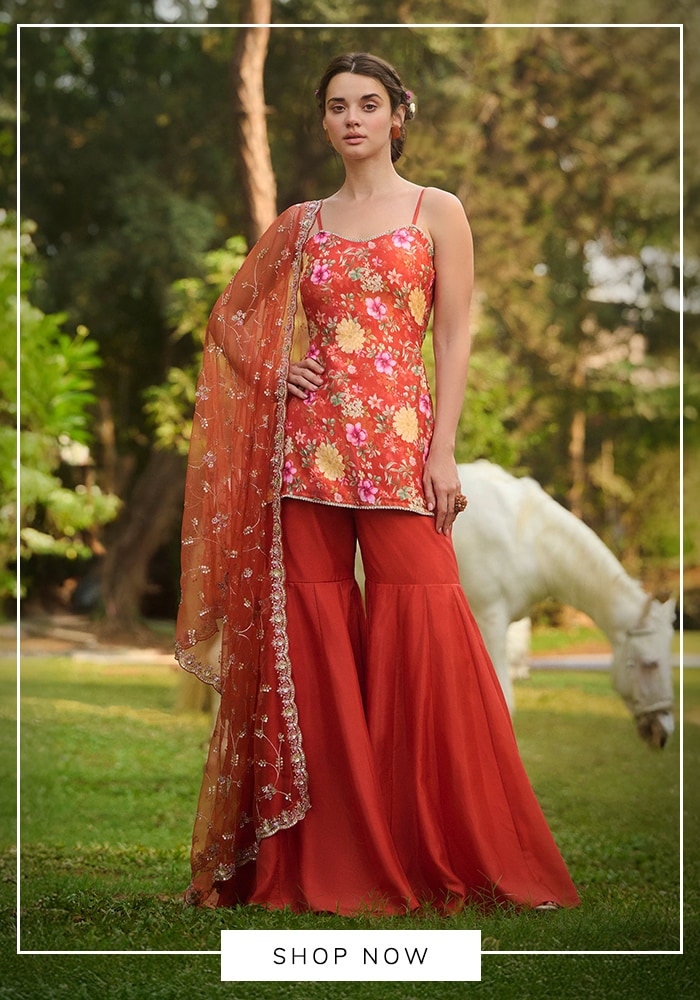
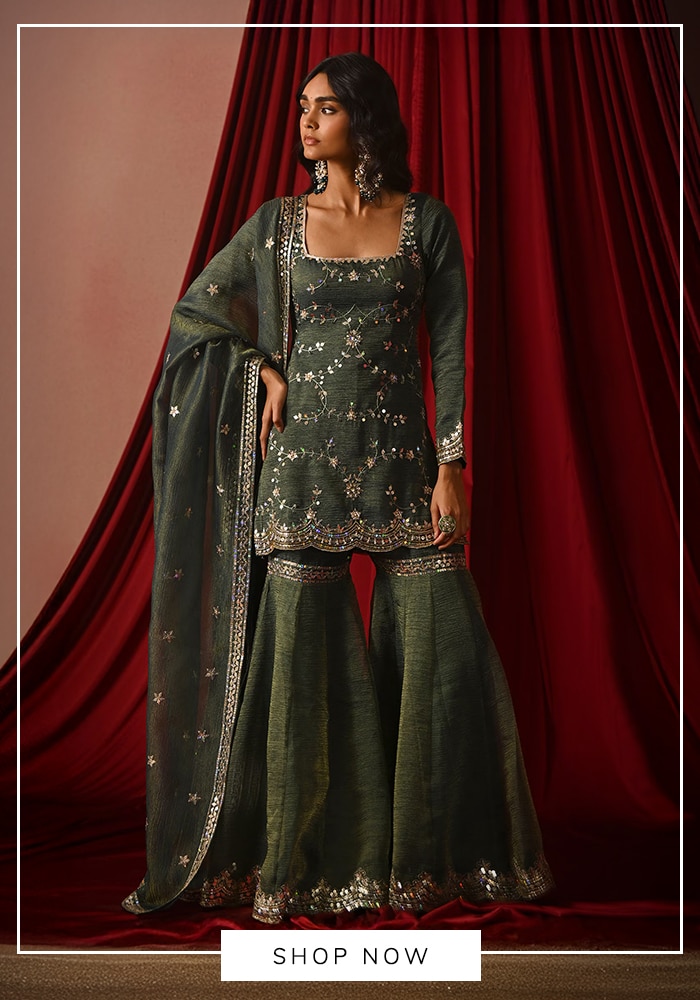
For Baisakhi, opt for a sharara suit in bright, festive shades like mustard yellow, bright tangerine, or rich emerald green. Fabrics like georgette or lightweight silk work beautifully, as they offer a graceful drape without feeling too heavy. Look for outfits that feature subtle gold zari work or mirror embellishments to catch the spring sunlight during outdoor parades. To complete the look, drape a matching or contrasting dupatta over one shoulder. If your sharara features heavy embroidery, keep your jewelry simple with a pair of classic gold jhumkas (bell-shaped earrings). Pair the outfit with embellished juttis (traditional flat shoes) to keep your feet comfortable during long hours of celebration.
Similar styles you’ll find at Aza Fashions
Choga Salwar: Timeless Elegance and Comfort
For those who appreciate classic silhouettes with a touch of vintage charm, the choga salwar offers a brilliant alternative to standard tunic sets.
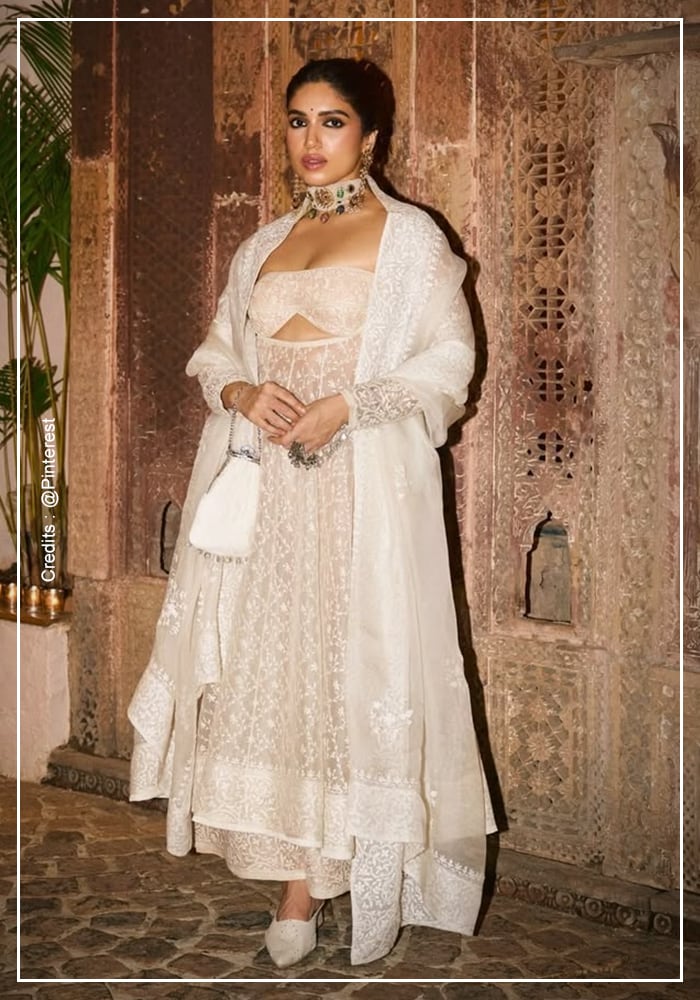
Understanding the Choga Salwar
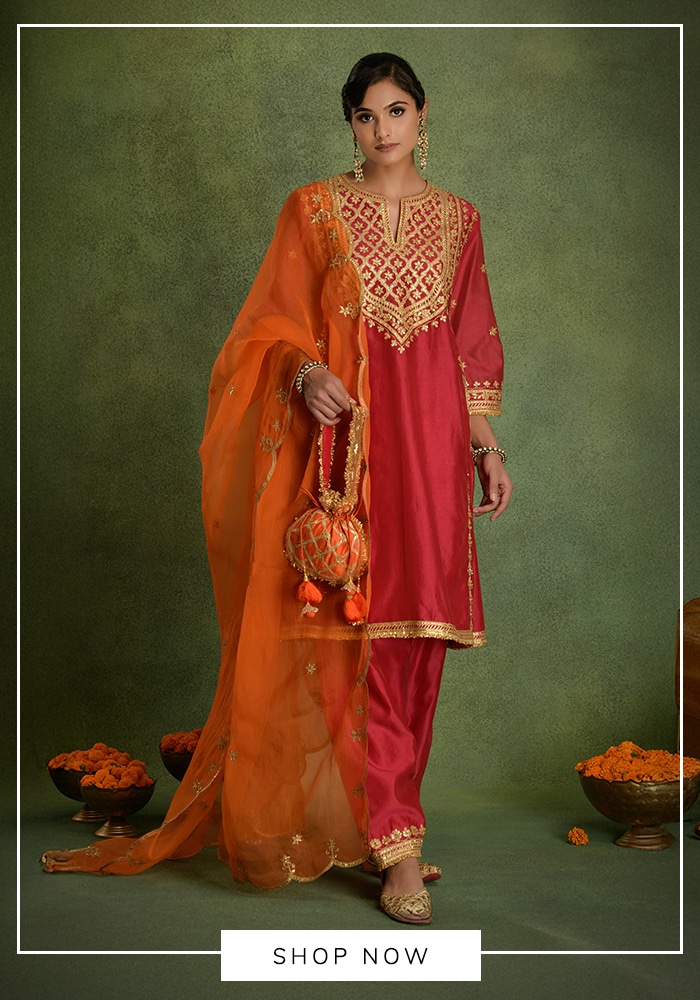
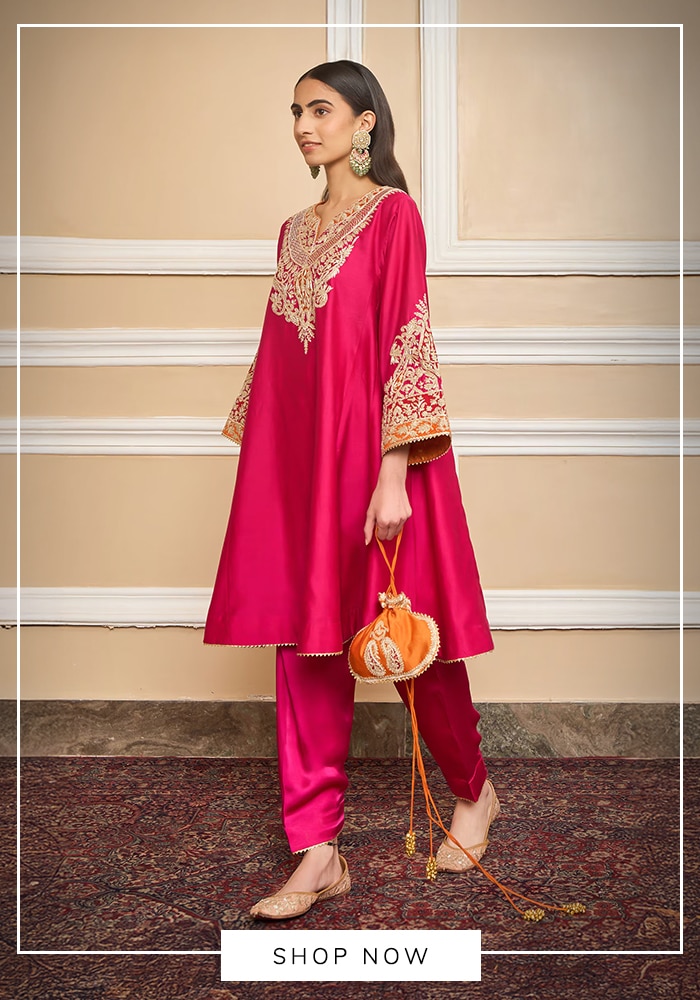
The choga is a long, loose-fitting, and flowy tunic that traditionally features wide sleeves and intricate embroidery around the neckline. Historically worn by royalty and noblemen in the Punjab region, the choga has beautifully transitioned into both men’s and women’s festive wear. When paired with a neatly pleated salwar (loose trousers), it creates an outfit that is incredibly regal yet highly breathable.
How to Style the Choga
The loose nature of the choga makes it highly suitable for the varying April weather across the US. If you live in a warmer state like Texas or Florida, choose a choga made from pure cotton or lightweight linen to stay cool. If you are celebrating in a cooler climate like the Midwest, a silk-blend choga offers a bit more warmth while maintaining its luxurious drape. Women can style a brightly colored choga salwar with a heavy Phulkari dupatta. Phulkari, which means “flower work,” is the traditional embroidery of Punjab. Draping a multicolored Phulkari over a solid yellow or white choga instantly elevates the outfit. Men wearing a traditional choga can keep the look grounded with a simple, neatly tied turban in a complementary color like navy blue or saffron.
Choga Salwar Suits at Aza Fashions
Embroidered Jackets: Regal Flair
While the classic kurta pajama remains a staple for men, adding an embroidered jacket completely transforms the outfit from simple to spectacular.
What Are Embroidered Jackets?
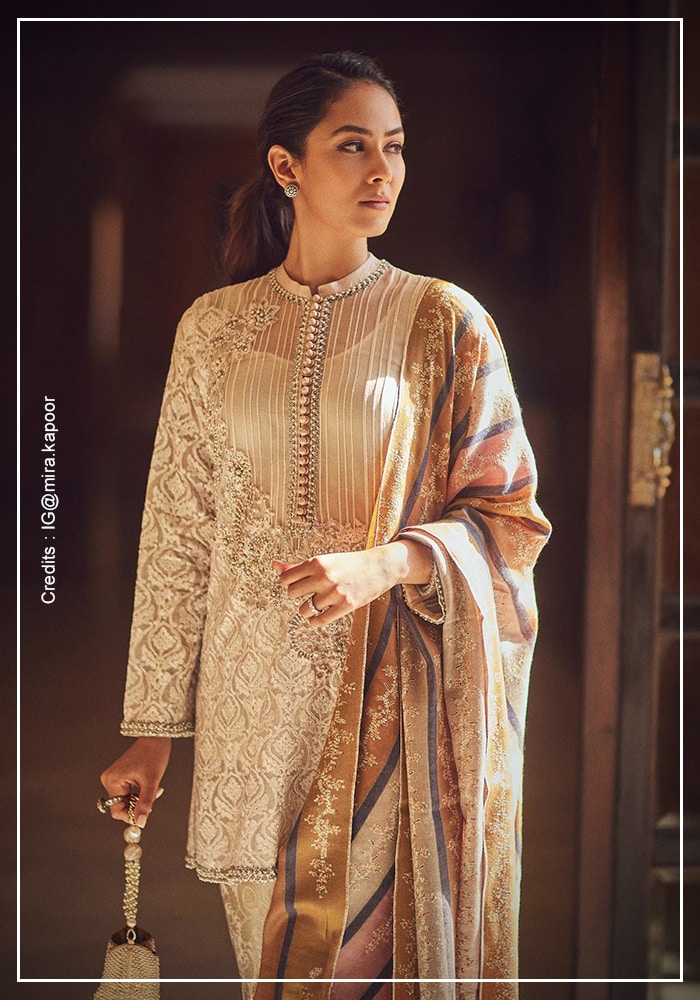
Embroidered jackets are traditional or fusion outerwear pieces decorated with detailed threadwork, often inspired by Punjabi crafts like phulkari. These jackets can be short or long, fitted or relaxed, and are typically made from fabrics such as cotton, silk, velvet, or linen blends. The embroidery may include floral patterns, geometric designs, mirror work, or zari (metallic thread), all of which add texture and visual richness.
For Baisakhi, embroidered jackets hold special appeal because they reflect the vibrancy and celebratory mood of the harvest festival. In the U.S., they are especially popular among the diaspora for cultural events, as they allow individuals to showcase heritage while adapting to contemporary fashion trends. They can be worn over both traditional and Western outfits, making them a versatile wardrobe staple.
How to Style Embroidered Jackets
Styling embroidered jackets for Baisakhi in the U.S. is all about balancing tradition with comfort and personal expression:
-
With Traditional Wear: Pair a brightly embroidered jacket with a simple salwar kameez or kurta set. Let the jacket be the focal point by keeping the inner outfit in a solid or neutral color.
-
Fusion Looks: Combine the jacket with jeans, palazzos, or a maxi dress for a modern Indo-Western outfit. This is a popular choice for younger generations attending casual Baisakhi gatherings.
-
Layering for Weather: Since spring weather in the U.S. can be unpredictable, opt for lightweight jackets during the day and slightly heavier fabrics like velvet for evening events.
-
Accessorizing Smartly: Keep accessories minimal if the jacket is heavily embroidered. Simple jhumkas or a classic watch can complete the look without overwhelming it.
-
Footwear Pairing: Traditional juttis or mojaris work well with ethnic outfits, while sneakers or ankle boots can add a contemporary twist to fusion styles.
By mixing classic embroidery with modern silhouettes and thoughtful styling, embroidered jackets can elevate any Baisakhi outfit while keeping it practical for celebrations in the U.S.
Designers You Should Consider for this Baisakhi
When choosing embroidered jackets for Baisakhi in the U.S., looking at the right designers can elevate your outfit from festive to truly standout. Whether you prefer traditional craftsmanship or contemporary couture, these labels offer distinct aesthetics worth exploring:
-
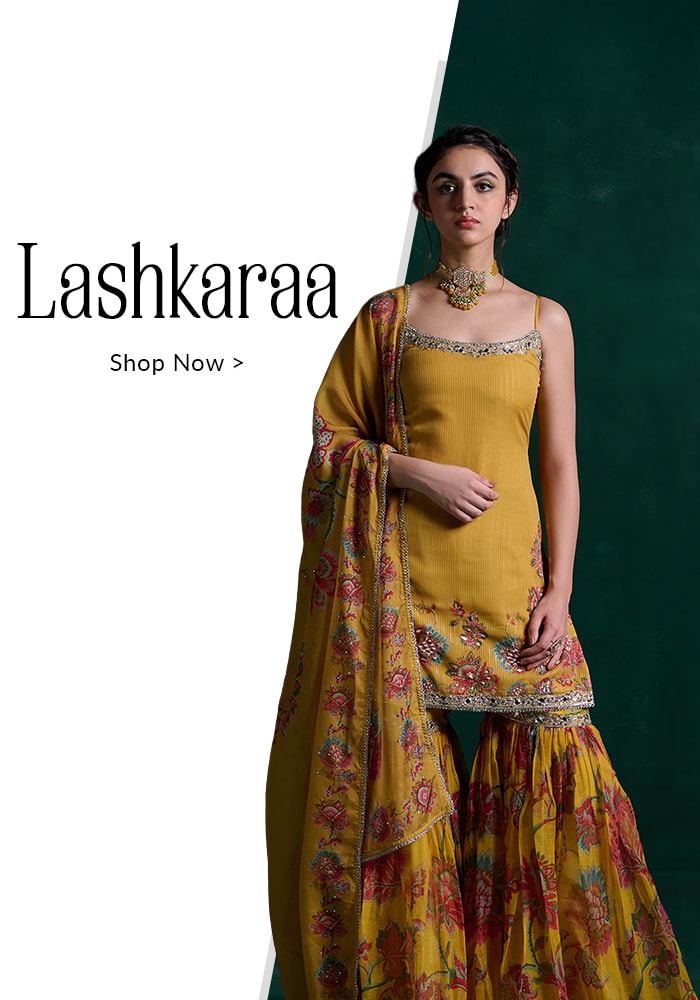
Lashkaraa
Known for accessible yet elegant ethnic wear, Lashkaraa offers a range of embroidered jackets and Nehru-style sets featuring zari, silk, and velvet finishes. Their designs are ideal for Baisakhi celebrations in the U.S., combining affordability with festive appeal and easy wearability.
- Mustard Moon by Neha and Vrinda
This label focuses on contemporary Indian silhouettes with a soft, artistic touch. Their embroidered jackets often feature delicate detailing, pastel tones, and modern cuts—perfect for those who prefer understated elegance and fusion styling.

Step Out and Celebrate
Baisakhi offers a wonderful opportunity to embrace community, give thanks for the spring season, and honor rich historical traditions. By choosing outfits that reflect Punjabi heritage—like the flowing choga salwar, a tailored embroidered jacket, or a dazzling sharara suit—you actively contribute to the vibrant atmosphere of the festival. Select your favorite bright colors, prioritize comfort, and step out to celebrate the joy of Baisakhi in style.
The post Baisakhi in the US: A Cultural Guide On What to Wear And Celebrations appeared first on Aza Editorials.