Met Gala 2026 wasn’t about who looked good. It was about who thought deeply.
When the Metropolitan Museum of Art announced the “Costume Art / Fashion Is Art” theme, it challenged designers and attendees to abandon standard celebrity dressing. This year pushed fashion away from mere decoration and directly into the realms of sculpture, performance, fine art references, and cultural storytelling. We saw the red carpet transform into a curated gallery space.
Our celebrity fashion analysis focuses entirely on concept, craftsmanship, and artistic intent. We are looking past the sheer star power to find the structural brilliance underneath. The best dressed this year weren’t styled; they were constructed.
What “Fashion Is Art” Looked Like on the Red Carpet
Before diving into the Met Gala 2026 best dressed list, we must define the parameters of the evening’s aesthetic. The Met Gala 2026 theme outfits fell largely into four distinct artistic disciplines:
- Sculptural Silhouettes: Designers utilized 3D printing, poured resin, and rigid architectural forms to defy gravity and natural human proportions.
- The Body as Canvas: We saw hand-painted textiles, masterful trompe l’oeil illusions, and anatomical dressing that treated the wearer as a literal canvas.
- Movement as Art: Kinetic fashion took center stage through engineered fringe, reactive materials, and subtle animatronics that shifted as the wearer walked.
- Cultural and Historical References: Deep dives into global heritage techniques allowed garments to function as wearable historical texts.
Best Dressed — The Ones Who Truly Got It
Some celebrities wore couture. Others turned themselves into exhibits. Here is our curated breakdown of the artistic fashion Met Gala triumphs.
1. The Literal Artists (Fashion as Canvas)
This group treated their garments as raw materials, translating direct art techniques onto the human form.
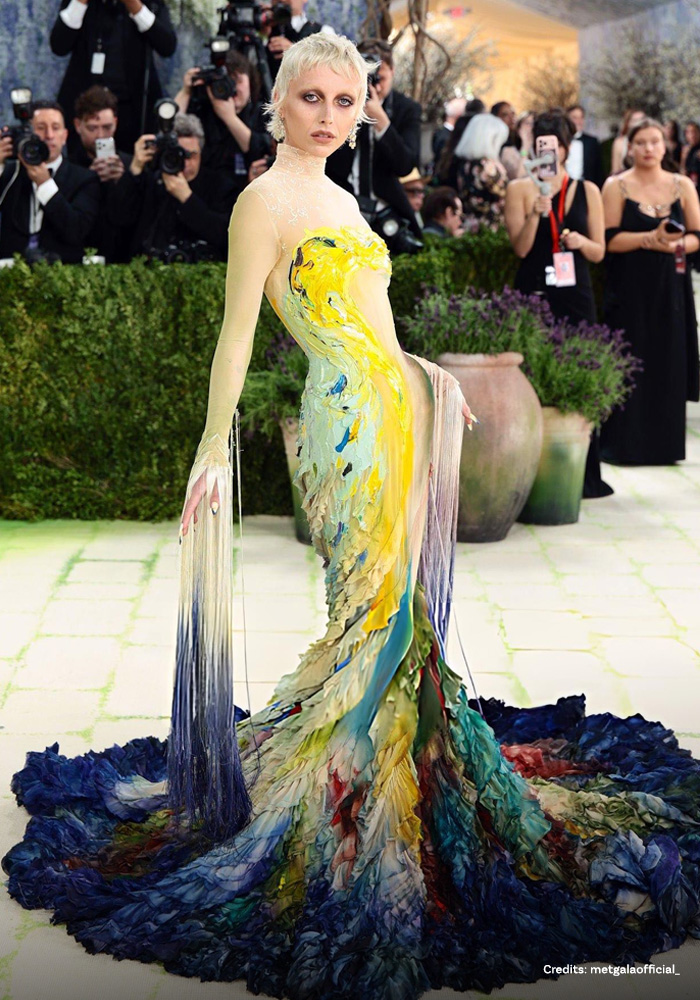
Emma Chamberlain in Mugler
This wasn’t just a gown—it was a wearable sketch. The Mugler atelier constructed a corseted piece that looked like charcoal lines drawn directly onto her skin. By mimicking the aesthetic of unfinished fashion illustrations, the look perfectly captured the process of artistic creation.
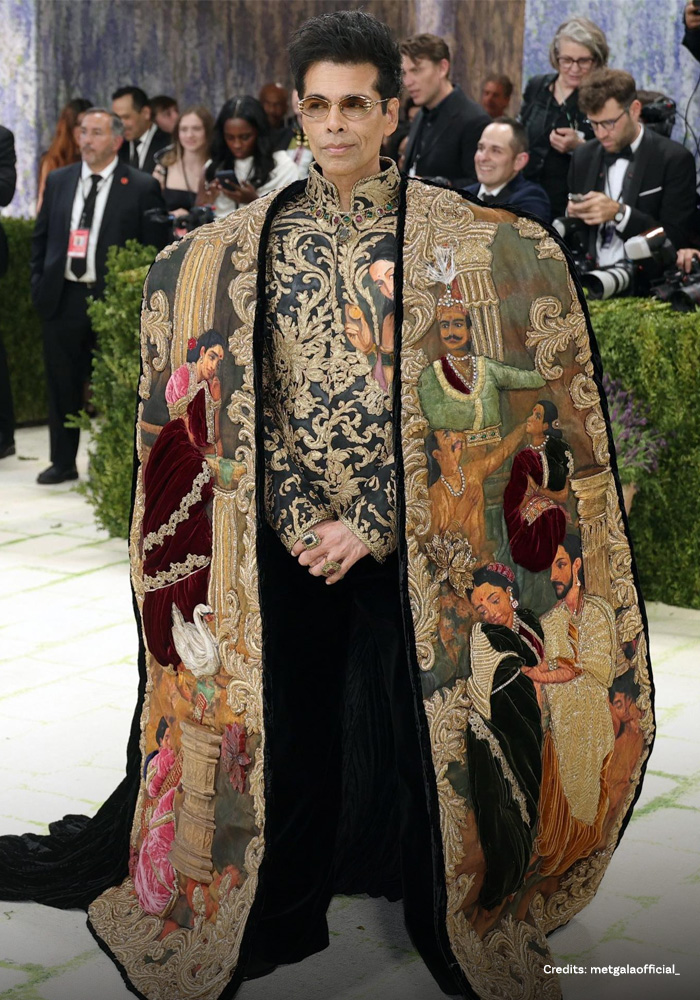
Karan Johar in Manish Malhotra
Johar brought cinematic opulence to the steps, wearing a sweeping coat that doubled as a Renaissance fresco. Manish Malhotra translated the vision through hand-painted textiles layered under sheer crystal netting, with the cape featuring depictions inspired by Raja Ravi Varma, the Father of Modern Indian Art. What made it work was the restraint; the art was allowed to breathe beneath the structure.
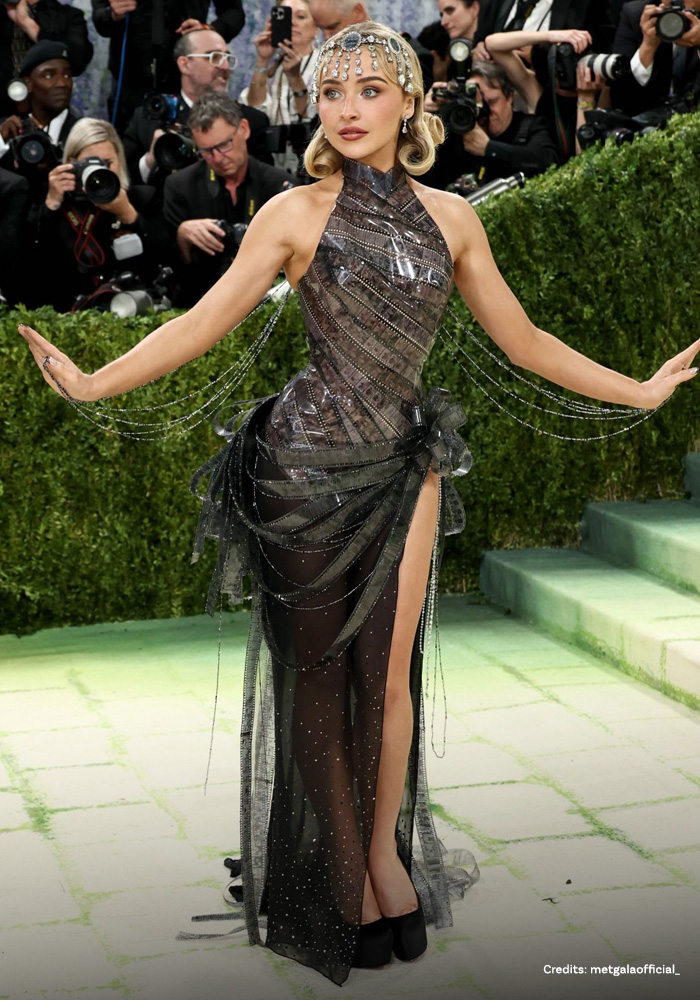
Sabrina Carpenter in Dior
2. Sculptural & Architectural Statements
Here, we examine the couture red carpet looks that treated the body merely as a foundation for structural engineering.
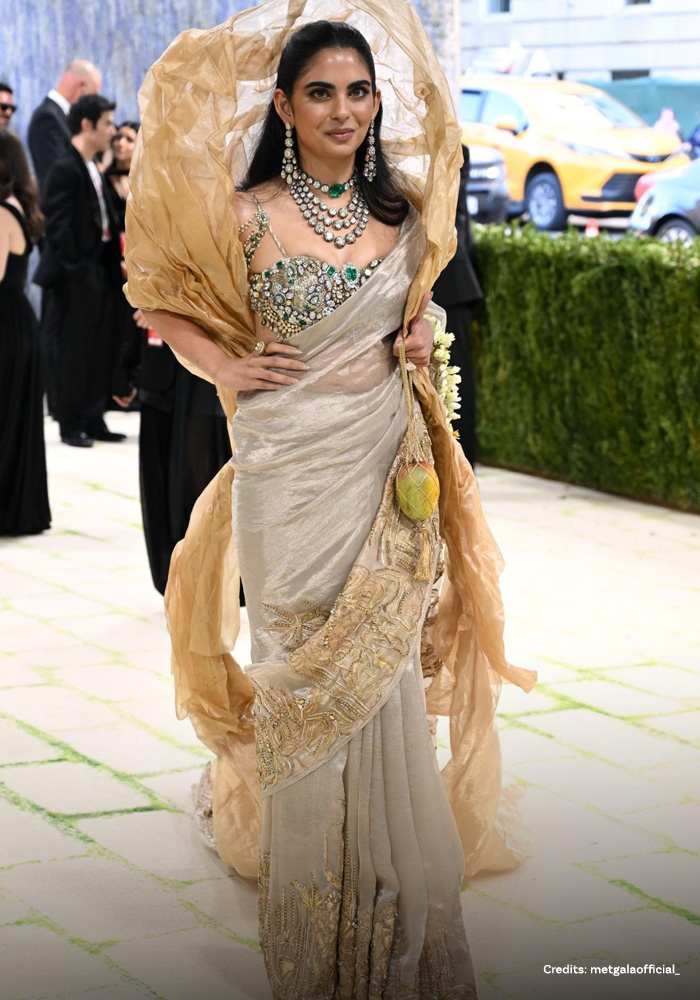
Isha Ambani in Gaurav Gupta
Gupta’s signature swirls were amplified to architectural proportions. Isha Ambani wore a piece of fluid sculpture that appeared caught in a windstorm, paired with heirloom jewels from her mother, Nita Ambani. The construction defied gravity, turning her into a walking monument of modern art.
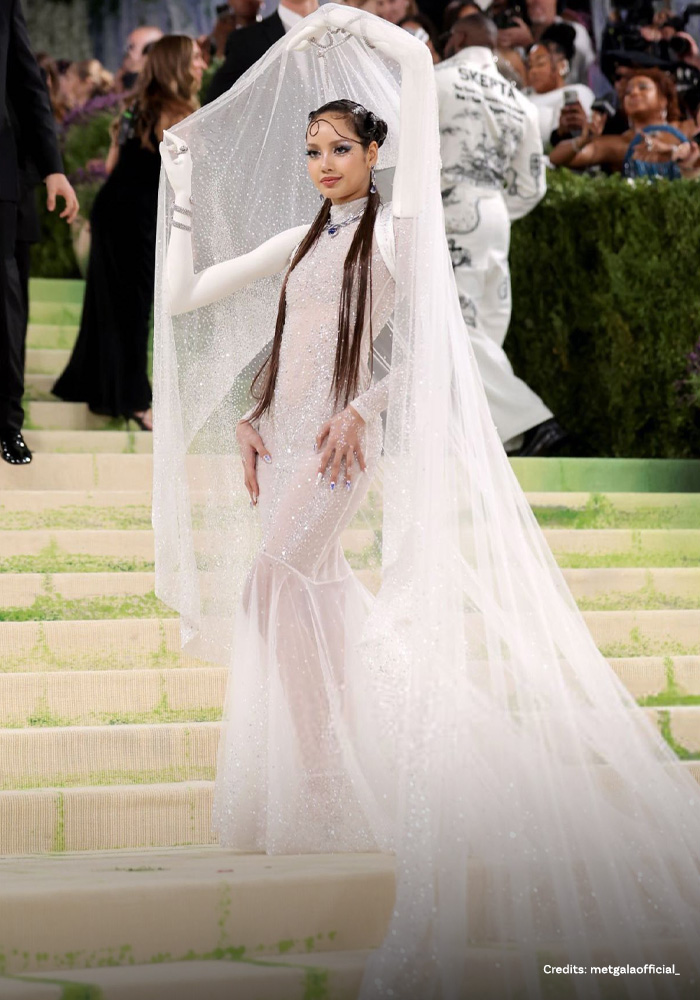
Lisa in Robert Wun
Robert Wun delivered a masterclass in tension. Lisa’s gown featured pleated architectural wings that sliced through the air with surgical precision. It was severe, dramatic, and structurally flawless.
Natasha Poonawalla in Dolce & Gabbana x Marc Quinn
Poonawalla rarely misses an avant-garde memo. Collaborating with artist Marc Quinn, Dolce & Gabbana created a resin bodice molded directly from classic Greco-Roman statuary. It was a literal translation of the theme that managed to look entirely futuristic.
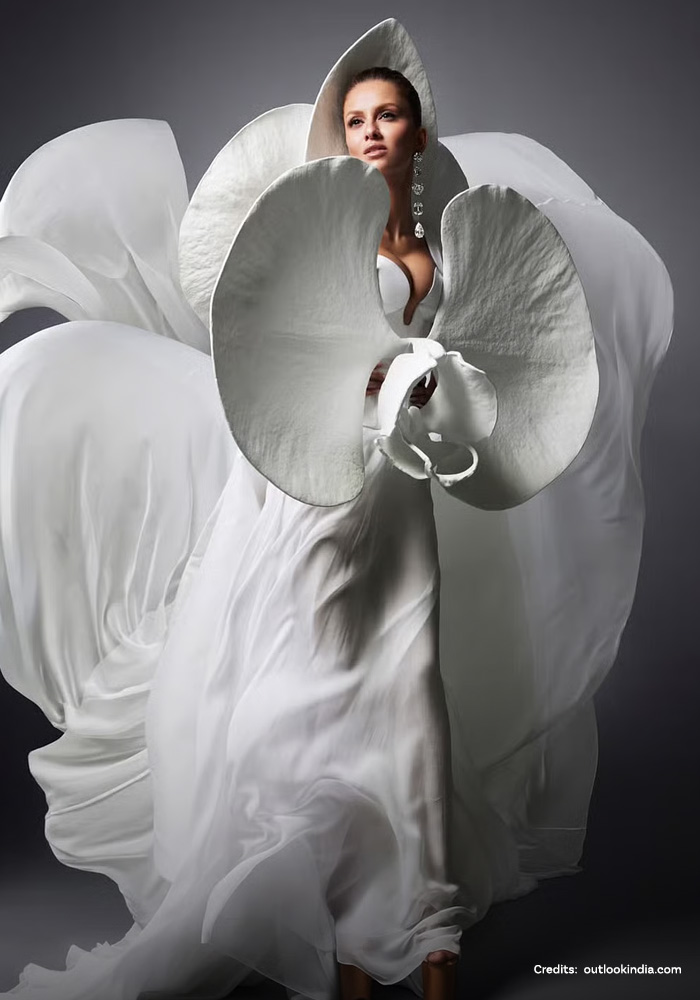
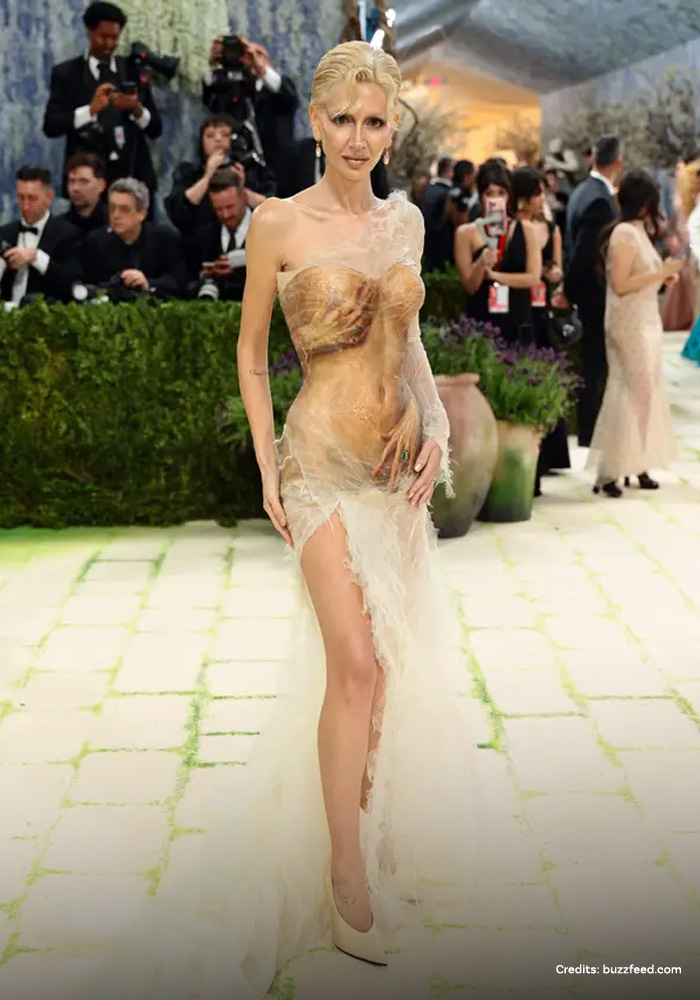
Sabine Getty in Ashi Studio
Getty wore a stark white, voluminous creation that swallowed her natural silhouette, replacing it with sharp, geometric angles. It read as a minimalist installation piece, challenging the viewer to find the human within the structure.
3. Movement as Art (Kinetic Fashion)
These looks proved that still photography cannot fully capture true artistic fashion.
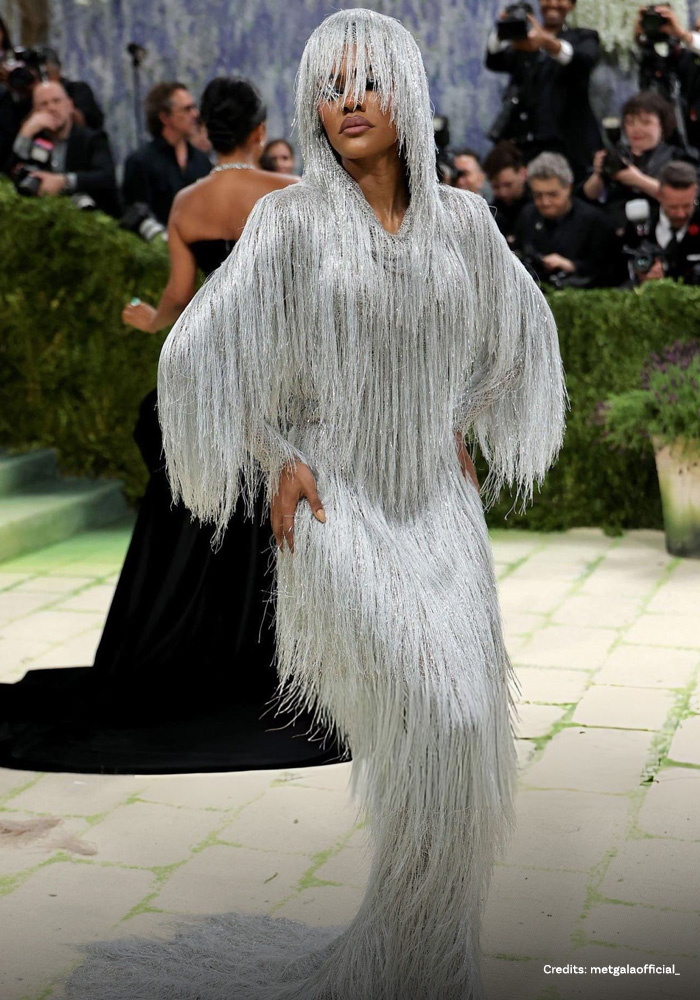
Teyana Taylor in Tom Ford
Taylor wore a gown composed entirely of metallic fringes engineered to ripple like liquid mercury. Every step created a new visual waveform. This was a controlled illusion of movement that required precise mathematical tailoring to execute.
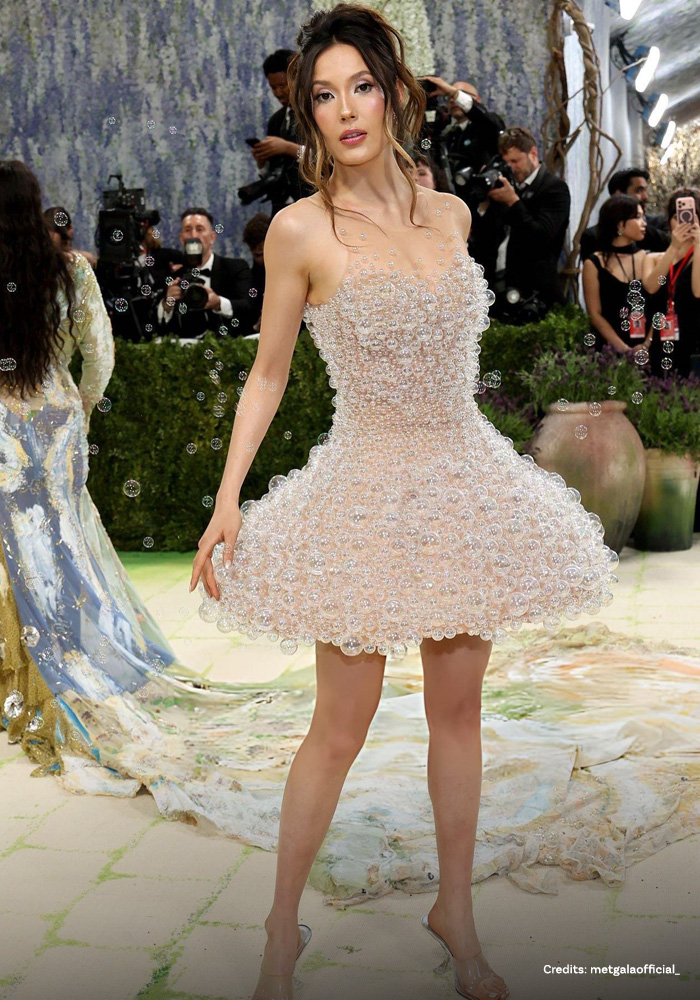
Eileen Gu in Iris van Herpen
Iris van Herpen is the undisputed queen of kinetic couture. Gu’s translucent, silicone-bubble dress fluttered like aquatic gills as she climbed the stairs. It was a seamless integration of organic movement and high-tech fabrication.
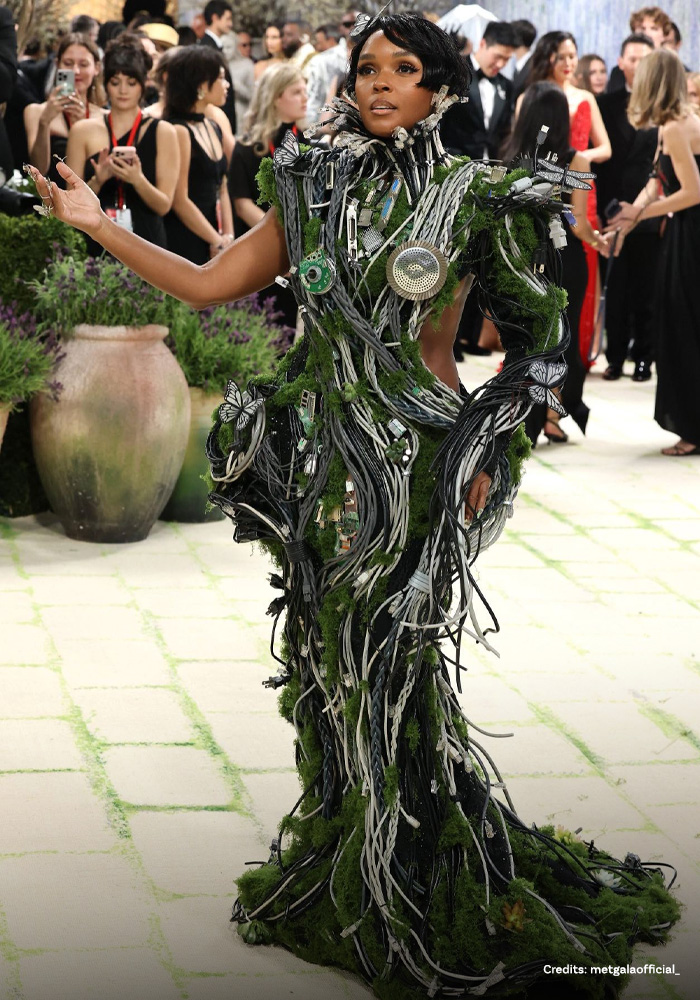
Janelle Monáe in Christian Siriano
Monáe’s Siriano ensemble featured subtle, motorized elements that caused the silhouette to slowly expand over the course of the red carpet. It was performance art disguised as eveningwear.
4. Cultural Narratives & Craft as Art
True luxury lies in the preservation of ancient techniques. These attendees proved that heritage is art.
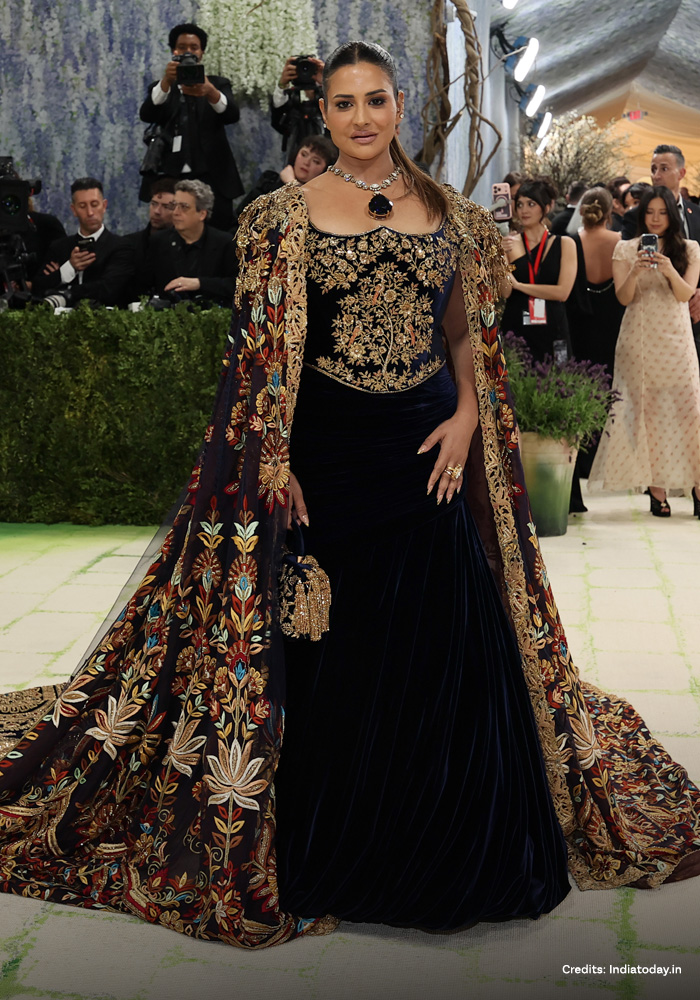
Sudha Reddy in Manish Malhotra
Reddy wore a masterwork of Indian craftsmanship, featuring microscopic zardozi embroidery that took thousands of hours to complete. The piece was less about the silhouette and entirely about the devastating beauty of handmade textiles.
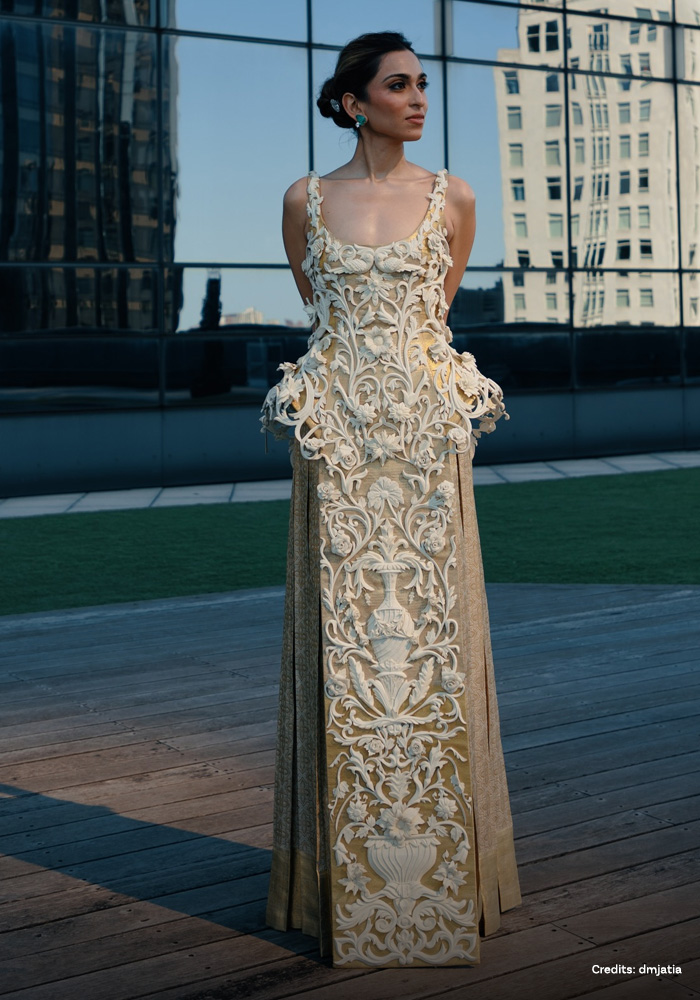
Diya Mehta Jatia in Mayyur Girotra
Jatia presented a striking narrative rooted in indigenous craftsmanship, blending archival motifs with a modern, deconstructed shape. Drawing on Shola art from Bengal, known for its intricate hand carved pith work, the piece added a light, sculptural quality. It respected the past while pushing it into the future.
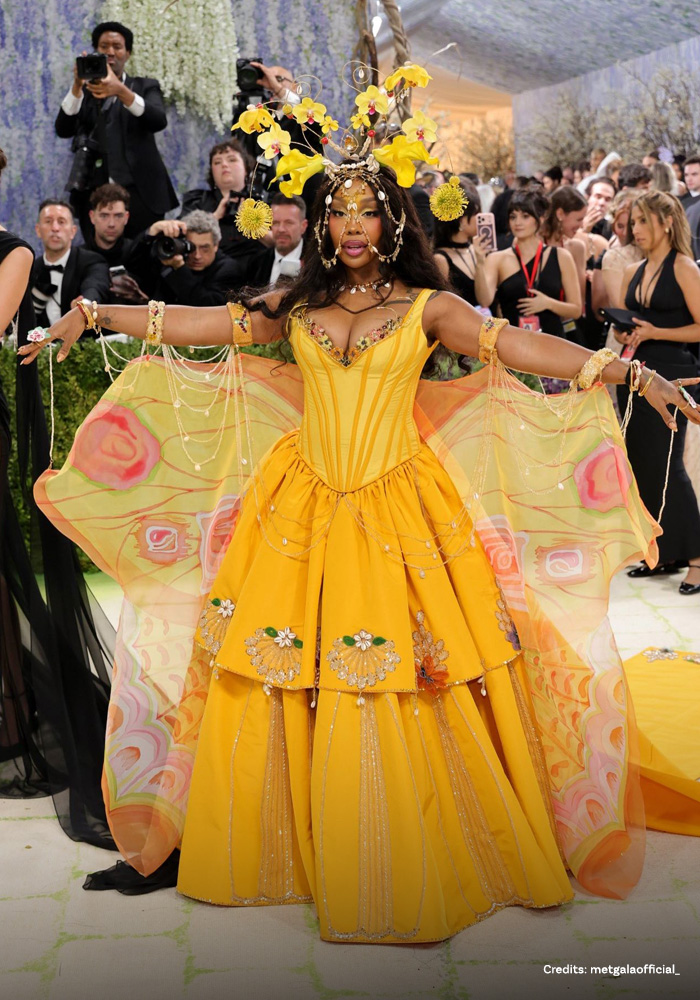
SZA in Bode
Bode specializes in historical preservation, and SZA’s patchwork wings was constructed from antique quilts and upcycled tapestry fragments. It felt deeply personal, turning American folk art into high fashion.
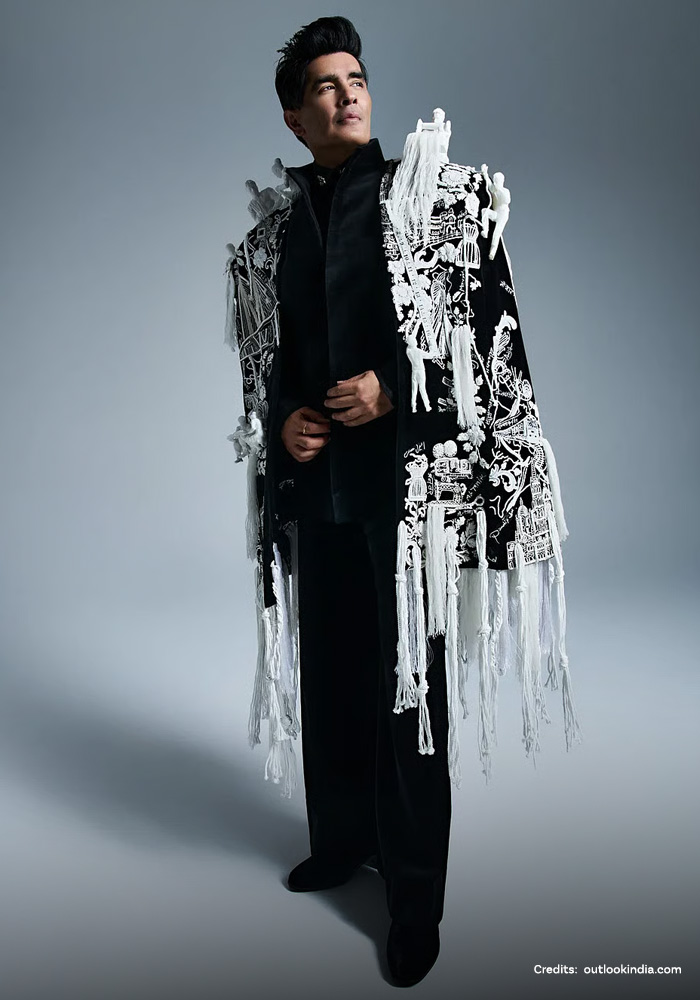
Manish Malhotra in Manish Malhotra
The designer wore his own creation, focusing on shadow-work embroidery that played with light and negative space. It was a quiet, confident display of absolute mastery over his medium.
5. Conceptual & Surreal Storytelling
These attendees used the Fashion is Art Met Gala to distort reality and play with identity.
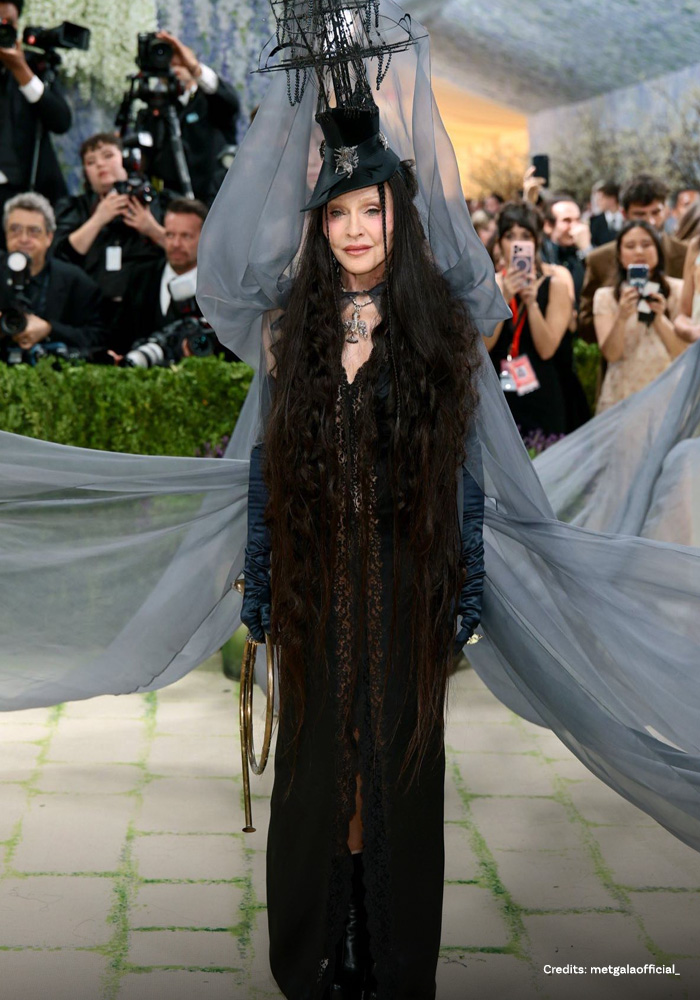
Madonna in Saint Laurent
Madonna embraced stark, monochromatic surrealism. The Saint Laurent tailoring was exaggerated to impossible proportions, creating a visual trick that made her appear two-dimensional from certain angles.
Ananya Birla in Robert Wun
Birla walked the carpet in a gown that appeared scorched by fire. Wun’s brilliant burn techniques transformed the fabric into a narrative of destruction and rebirth. It was an emotionally charged piece of wearable theater.
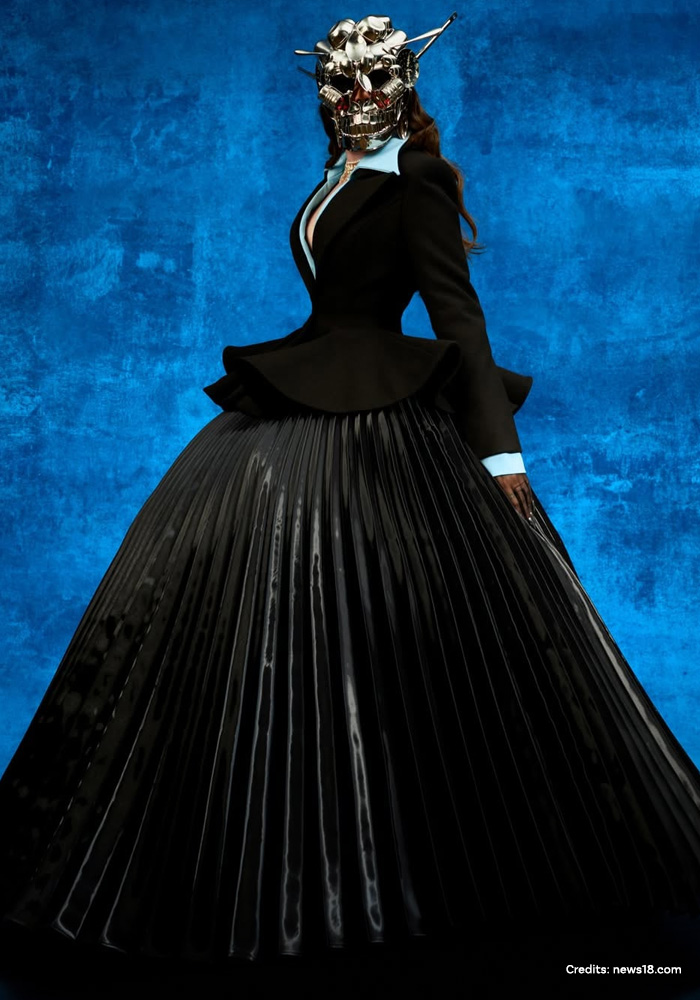
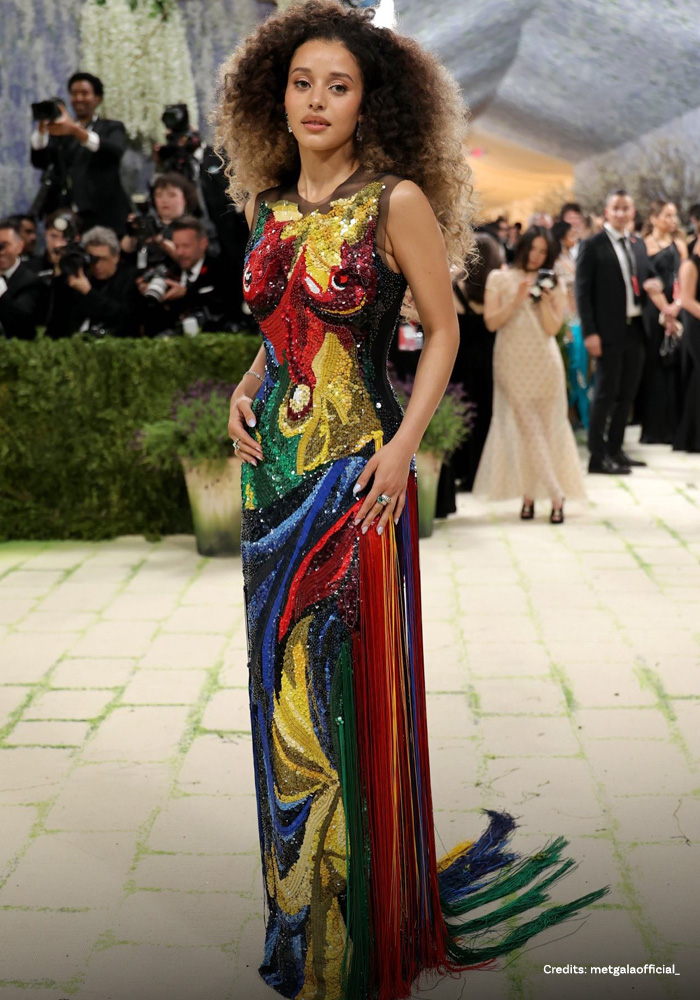
Chase Infiniti in Thom Browne
Chase Infiniti leaned into Thom Browne’s uniform-as-art philosophy with deconstructed tailoring that felt sharply theatrical. The look carried a quiet surrealist undertone, drawing from Magritte-style visual play while staying precise in structure. It worked because he didn’t just wear it, he stepped into the character it suggested.
Cai Xukun in Thom Browne
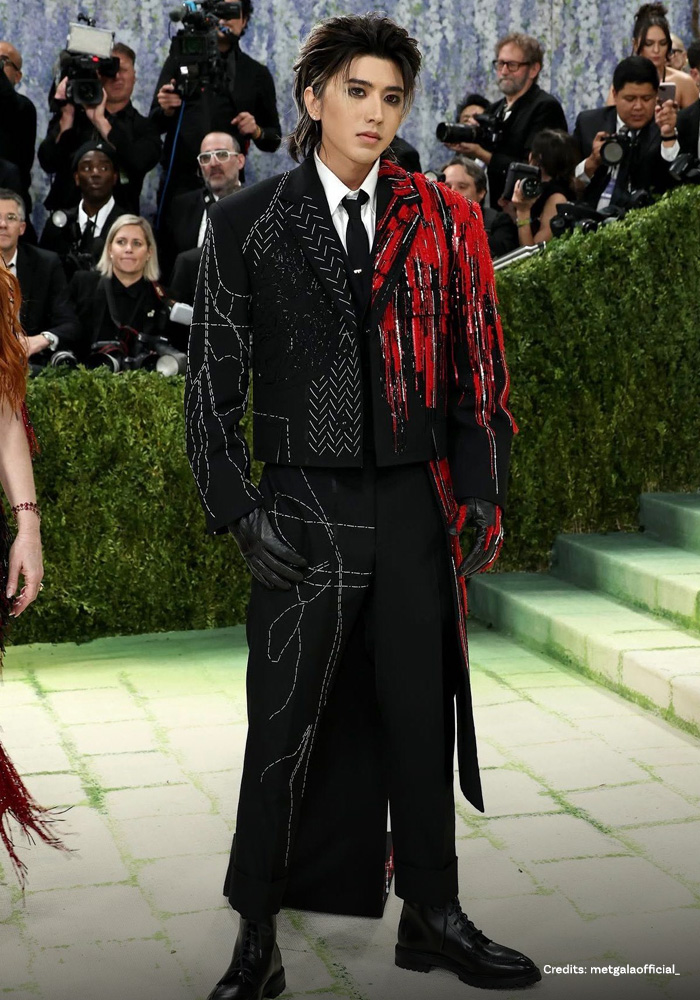
6. High-Impact Glam with Concept
Glamour only works under this theme if it is elevated through a distinct narrative lens.
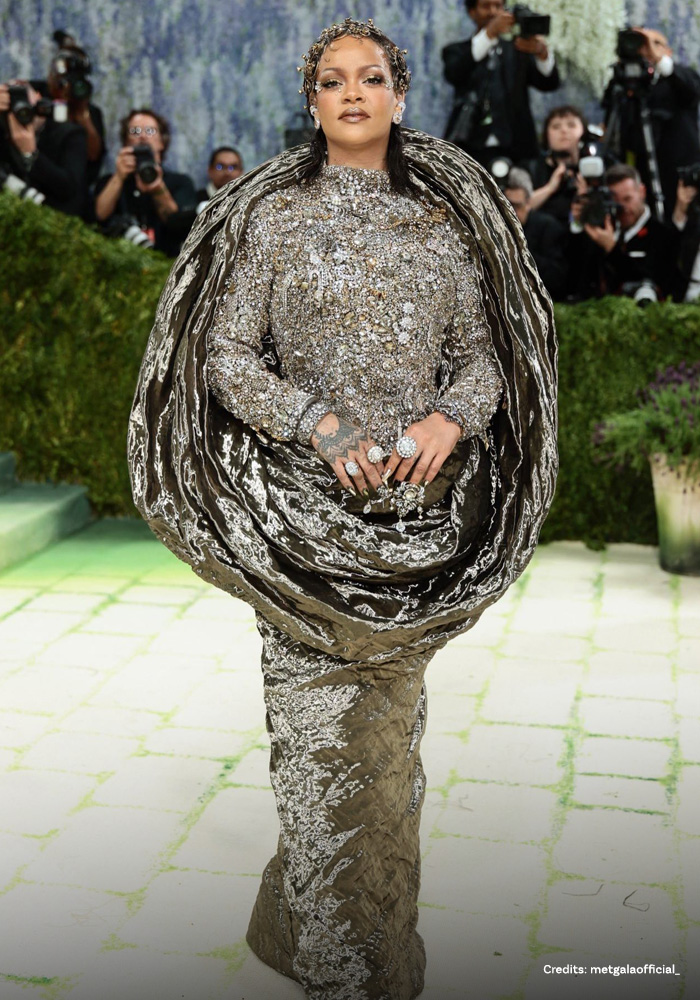
Rihanna in Maison Margiela
John Galliano for Margiela created a look for Rihanna that felt like a decayed, glamorous Victorian portrait. The artisanal distressing and bias-cut silks turned standard beauty on its head, offering a twisted, magnificent take on red carpet opulence.
Beyoncé in Balmain
Olivier Rousteing sculpted a metallic breastplate for Beyoncé that functioned as wearable armor. It merged ancient warrior aesthetics with modern pop iconography, resulting in a piece of cultural pop art.
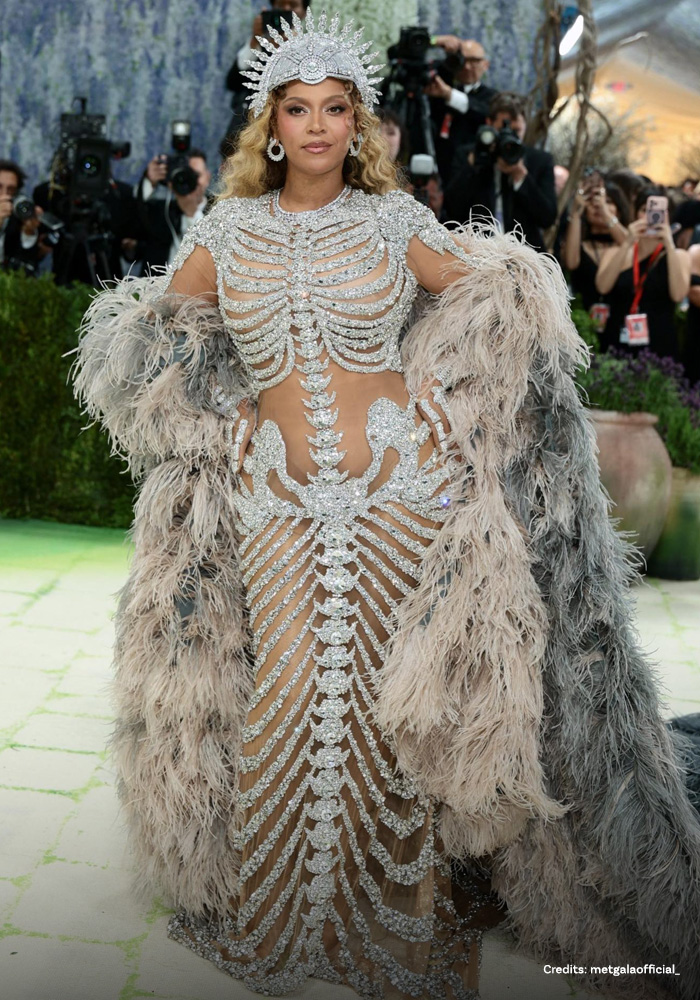
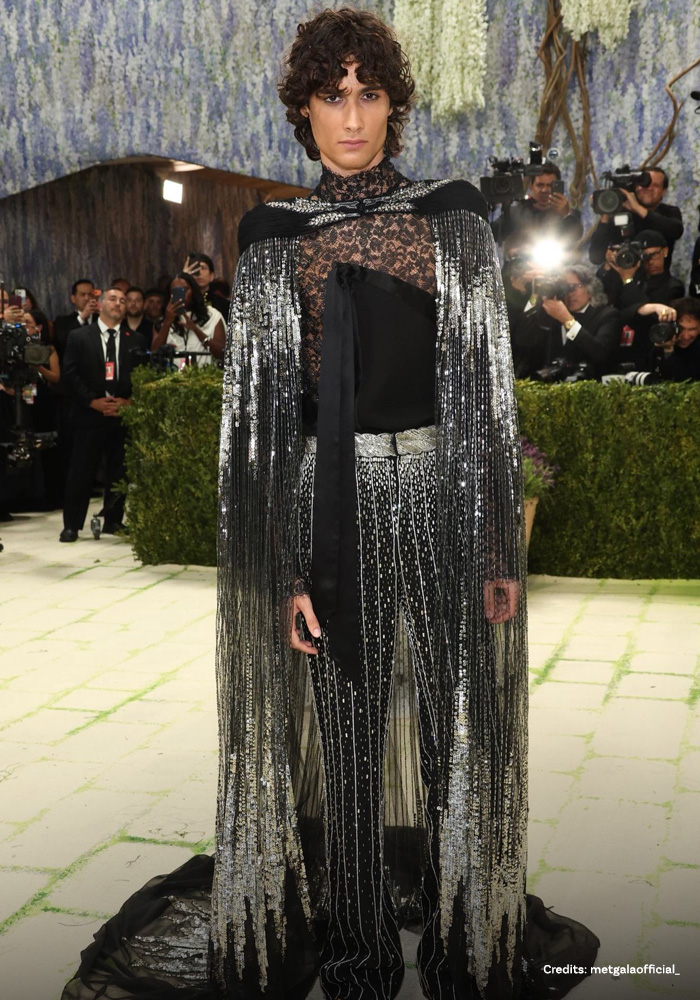
Sombr in Valentino
Sombr brought romanticism to the steps with a Valentino cape featuring hand-dyed gradients that resembled a watercolor sunset. The concept was simple but the execution was museum-quality.
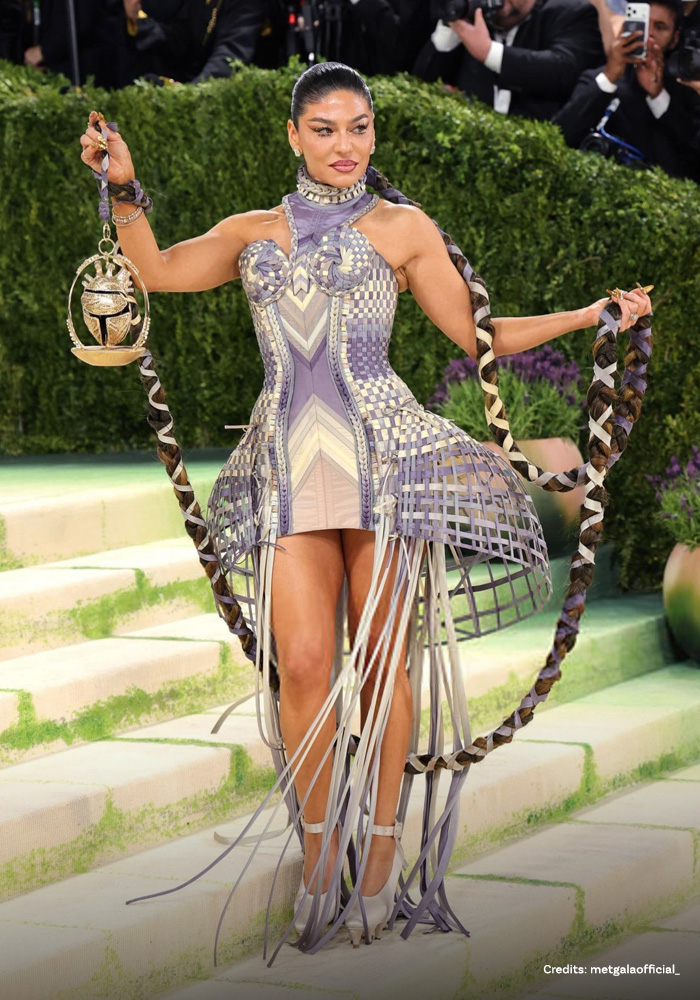
Sabrina Harrison in Jean Paul Gaultier
Sabrina Harrison wore an archival-inspired conical piece rooted in Jean Paul Gaultier’s legacy of challenging gender and form. The sculpted, high-gloss silhouette felt like corsetry turned armor, bold yet controlled, while her sleek, pulled-back braid kept the focus on the structure. Loud, precise, and visually arresting.
Key Takeaways from the Artistic Fashion Met Gala
When we evaluate the Met Gala 2026 best dressed, clear patterns emerge about the future of the industry:
- Fashion is moving toward installation, not just clothing. The best pieces required physical space and demanded to be viewed from 360 degrees.
- Craftsmanship is becoming visible, not hidden. Designers are exposing their construction methods, turning seams, corsetry, and stitches into the focal point.
- Cultural storytelling is now central, not decorative. Heritage techniques are no longer used merely for aesthetic flair; they drive the entire conceptual narrative.
- Technology and couture are no longer experimental. 3D printing, animatronics, and engineered fabrics are now expected tools in the couture arsenal.
The Indian Presence That Stood Out
The Indian contingent at the Met Gala 2026 demands a specific spotlight. Karan Johar, Isha Ambani, Natasha Poonawalla, Sudha Reddy, Diya Mehta, Ananya Birla, and Manish Malhotra delivered an absolute masterclass in theme execution.
India didn’t just show up to the red carpet – it contributed concept, craft, and immense scale. Designers like Gaurav Gupta and Manish Malhotra proved that Indian couture operates at the absolute zenith of global fashion. They seamlessly blended millennia-old textile traditions with aggressive, futuristic silhouettes. Their work firmly established that modern fashion artistry relies heavily on Eastern craftsmanship.
Final Thoughts
Met Gala 2026 proved that fashion reaches its peak when it stops trying to be pretty and starts trying to say something. The attendees who succeeded understood that an outfit must provoke a thought, not just elicit a compliment. They challenged gravity, played with perception, and turned the famous Met steps into a kinetic gallery space.
Ultimately, the red carpet separated those who simply consume fashion from those who actively participate in it. The best dressed weren’t the most photographed—they were the most considered.
The post Met Gala 2026 Best Dressed: Who Truly Understood Fashion Is Art appeared first on Aza Editorials.