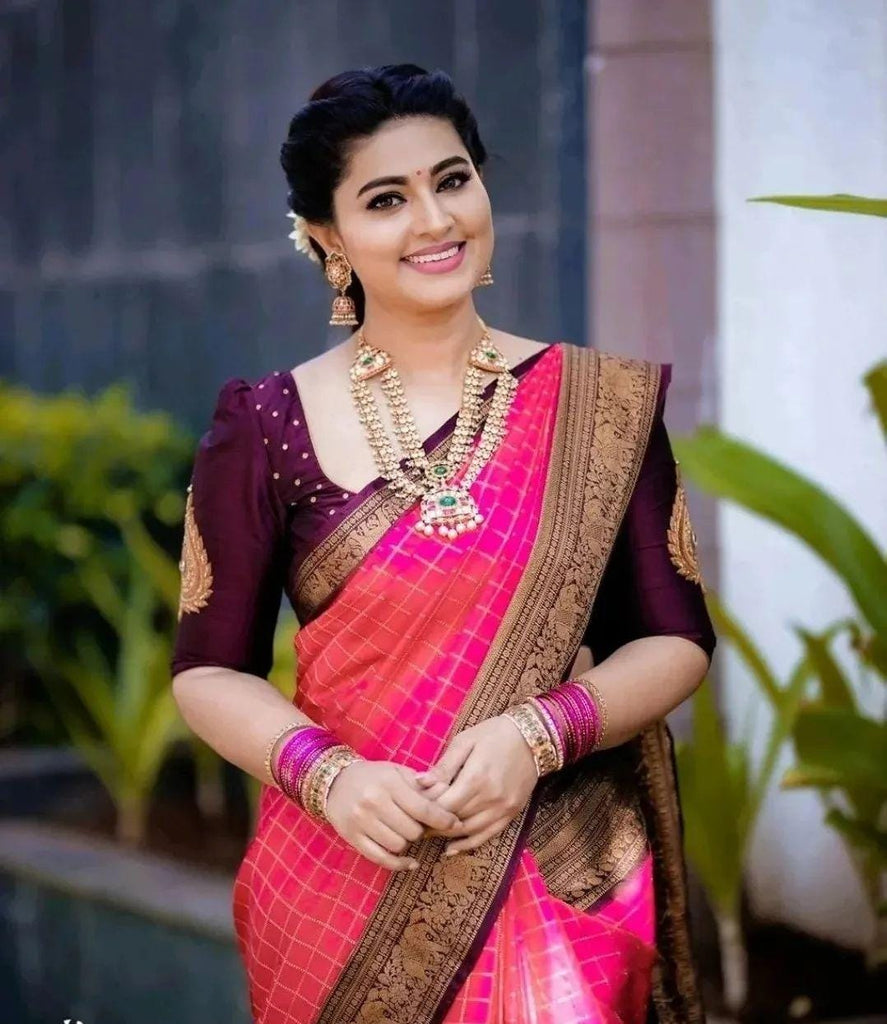
Your new ethnic set just arrived, and the excitement to try it on right away is real. But here’s the thing — once those tags come off, most brands can no longer accept returns or exchanges. That one impatient snip can turn a simple size issue into a set you’re stuck with.

Take five extra minutes. This checklist walks you through exactly what to check before you remove anything, so you shop online with the same confidence as trying something on in-store.
1. Inspect the Package Before You Even Open the Garment
Before you touch the kurta or set itself, look at what it arrived in:
-
Check the outer packaging for dampness, crushing, or tears — this can indicate rough handling in transit.
-
Match your invoice with what’s actually inside. Confirm the size, colour, and number of pieces (kurta, bottom/pyjama, and dupatta, if it’s a 3-piece set) all match what you ordered.
-
Lay the garment flat on a clean surface to unfold it — avoid unpacking on a bed where pets, kids, or stray threads from bedding can get onto the fabric.
-
Confirm all tags are intact — the price tag, size tag, and brand tag should all be attached and undamaged. Missing or already-detached tags can complicate a return later.
Most return windows are counted from your delivery date, not from when you get around to opening the package — so don’t let it sit unopened for days. You can always check your order status on our Track Order page if you’re unsure when it arrived.
2. Check Stitching Quality Closely
Stitching issues are the most common — and most avoidable — reason for a mismatched expectation. Hold the garment up in good light and look for:
-
Loose or uneven thread lines along seams, especially at the shoulders, sleeves, and side seams
-
Puckering — fabric that bunches or gathers unevenly where it’s stitched
-
Embroidery or thread work that looks incomplete, crooked, or different from the product photo
-
Buttons, hooks, or zippers that feel loose or don’t sit flush against the fabric
-
Fraying edges on the dupatta or hemlines.
-
Asymmetry — hold both sides of the garment up together; sleeves, necklines, and hemlines should mirror each other..
If something looks off, don’t try to “fix it yourself” with a quick trim of a loose thread — document it first (more on that below), then reach out to us.
3. Try It On the Right Way
Trying your outfit on is completely fine — and encouraged — as long as you do it in a way that keeps your return option open:
-
Wear a slip or innerwear underneath. Never try ethnic wear directly against bare skin.
-
Skip the perfume, deodorant, and makeup until after you’ve decided to keep the outfit. Fragrance and product stains are hard to reverse and are among the top reasons a return is rejected.
-
Try it on in daylight near a window — artificial indoor lighting can make colours look different from how they’ll actually appear.
-
Move naturally — sit down, raise your arms, walk a few steps to see how the dupatta and bottom flow. Just stay indoors, away from anything that could snag or soil the fabric.
-
Keep the tags on while trying it on. Don’t cut or remove them — you can still assess fit and comfort with tags attached.
4. Document Everything With Photos (Before You Decide)
If you spot any issue — even a small one — photos are your best friend for a smooth, fast return:
-
Photograph the unboxing itself, including the packaging and invoice together with the product
-
Take close-up shots of any specific defect (stitching, colour, fabric) against a plain, well-lit background
-
Also take a full-length shot of the garment so the defect is visible in context
-
Keep the original packaging and shipping label until your return window closes, just in case
-
Note the delivery date and the date you inspected it — helpful if you need to reference timelines with our support team
Having this ready before you contact support means your return or exchange gets processed much faster.
5. Common Defects to Watch For in Ethnic Wear Specifically
Ethnic wear has a few defect patterns that are worth a specific check:
-
Colour bleeding — gently rub a plain white cloth on dyed or richly coloured areas to check for bleeding
-
Dupatta shade mismatch — occasionally the dupatta can be a slightly different shade from the kurta and bottom; hold them together in daylight to compare.
-
Uneven embellishments — mirror work, sequins, or zari that’s missing or sparse in patches compared to the listing photo.
-
Unusual fabric smell — a strong chemical smell that doesn’t fade after airing the garment out for a bit can indicate a fabric or dyeing issue.
-
Size mismatch despite correct label — always compare actual measurements against our Size Guide rather than relying on the label alone, since fit can vary slightly across styles and fabrics
6. When to Accept vs. When to Return
Not every small imperfection needs a return. Here’s a simple way to decide:
You can likely keep it if:
-
There’s a stray thread that trims off easily without affecting the stitching
-
There’s a fold crease from packaging that irons out
-
The fit is true to size and matches our size chart
You should return or exchange it if:
-
A stitching defect affects how the garment sits or holds up to wear
-
The wrong item, colour, or size was sent
-
There’s visible fabric damage, tearing, or colour bleeding
-
The colour is significantly different from what was shown in the listing photos
When in doubt, don’t cut the tag — reach out to us first. It’s always easier to help before the tags are off.
Our Promise to You
At Shree, we want every order to feel as good as it looks in the photos. If something isn’t right, we make it simple to sort out:
-
Review our Return & Exchange Policy for full details on timelines and eligibility.
-
Browse our Kurta Sets Collection if you’d like to explore an exchange in a different size or style.
-
Reach out anytime through our Contact & Support page — we’re happy to help before you decide to keep or return anything.
A few minutes of checking can save you the hassle of a return altogether — and when something does need fixing, we’re right here for you.