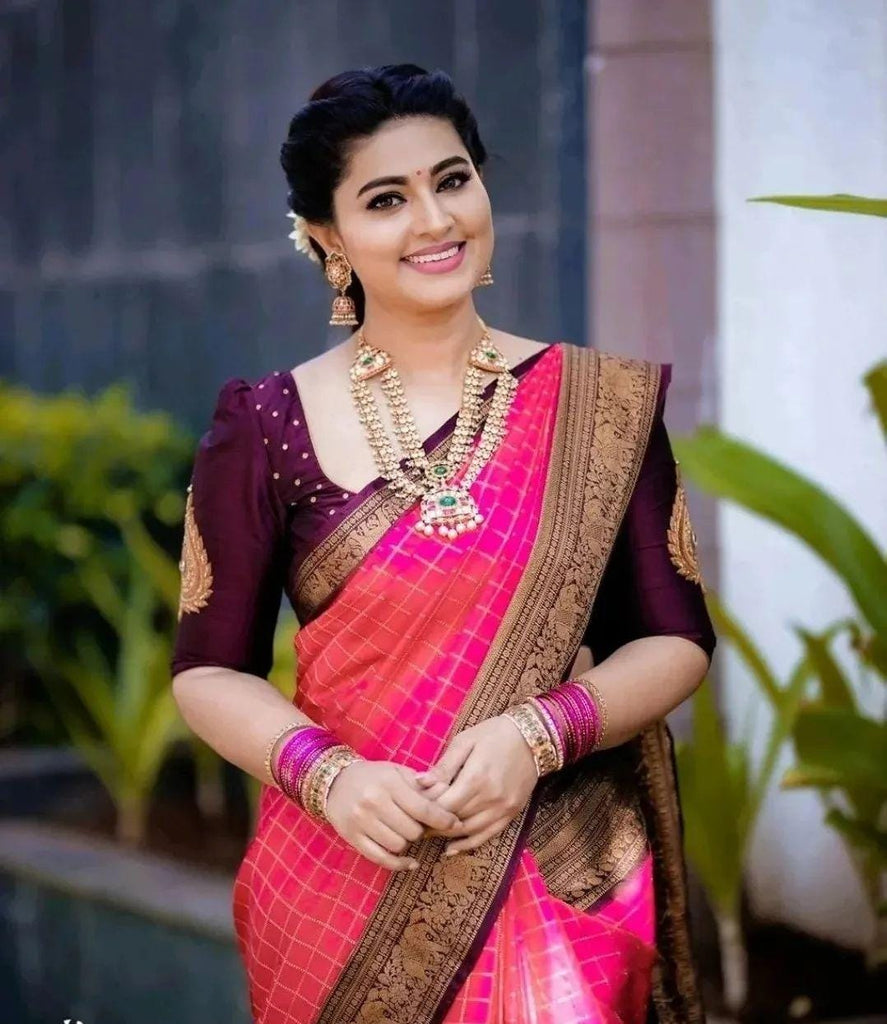
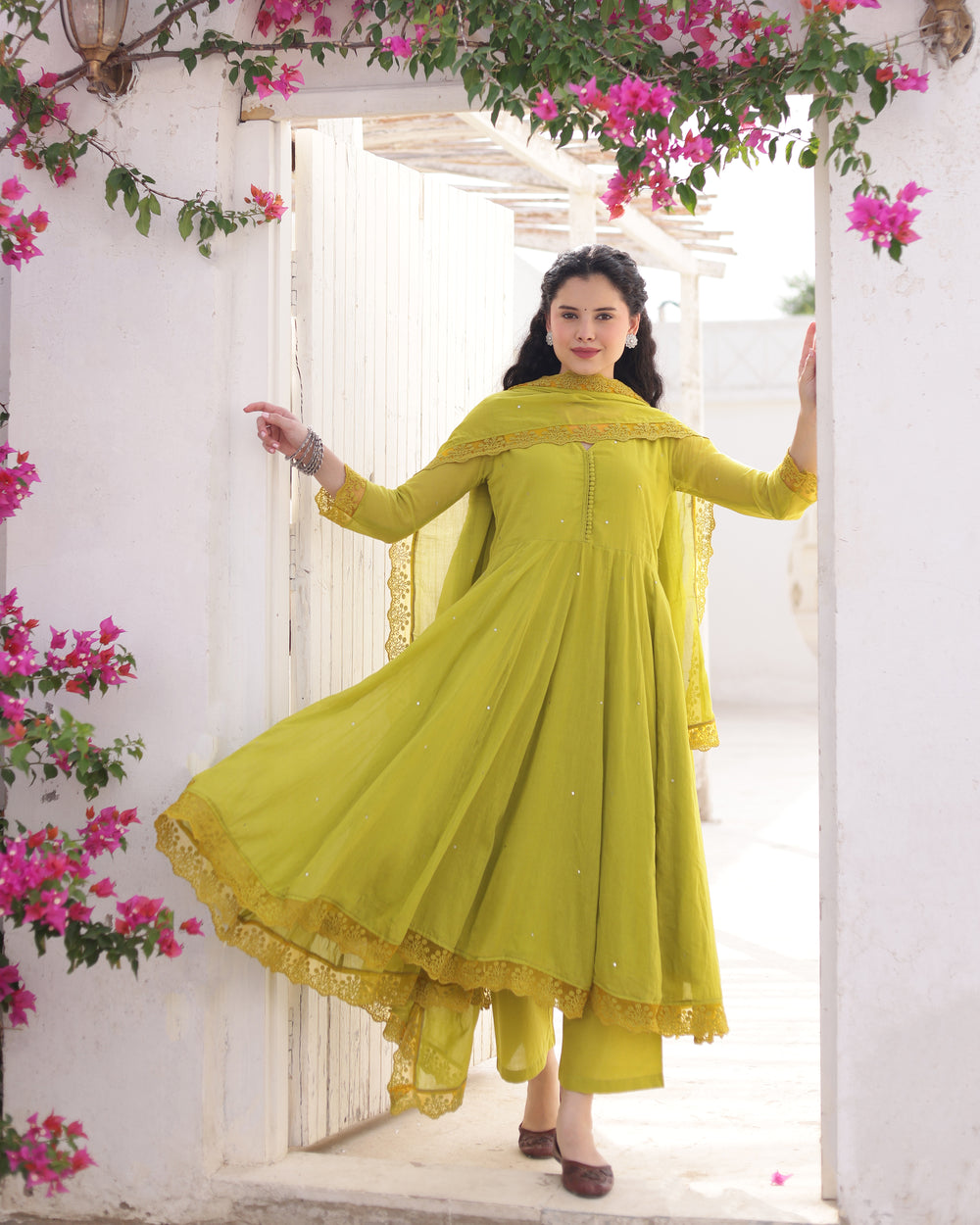
Quick answer: ethnic wear looks best when the cut works with your proportions instead of against them. Apple shape, an A-line or empire cut works in your favor. Pear shape, a straight kurta with flare near the hem does the trick. Hourglass, wrap styles or a belted waist. Rectangle, anything with a defined waistline helps.
This is a guide to ethnic wear for women built around body shape instead of whatever’s trending this month. Rain & Rainbow’s cotton-first pieces fall naturally on most shapes to begin with, which helps, but knowing what to look for helps even more.
So What Are the Common Body Shapes, and Does It Even Matter for Ethnic Wear
Most of us fall roughly into one of five shapes, apple, pear, hourglass, rectangle, or inverted triangle. It matters here because every ethnic silhouette handles fabric differently. A straight kurta and an Anarkali carry weight in totally different places. What looks good on the hanger isn’t always what works on you.
What Actually Suits an Apple Shaped Body

If you carry more weight through the middle with slimmer arms and legs, look for pieces that skim past the waist instead of sitting right on it. Empire-cut kurtas and dresses are the easiest place to start, since the seam falls just under the bust and nothing clings where you don’t want it to. A-line kurtas work too, as long as the flare starts high enough up. V-necks and U-necks help pull the eye upward rather than across the middle. Skip tight waistbands and wide statement belts, they sit exactly where you’re trying to create ease.
What Actually Suits a Pear Shaped Body

Narrower shoulders, fuller hips. This shape looks most balanced when the top half gets a little more visual weight and the bottom stays streamlined. Straight kurtas paired with a dupatta draped over one shoulder do this well. So does an Anarkali, the flare starts high and skims past the hip rather than clinging to it. Boat necks and off-shoulder cuts widen the shoulder line just enough to balance things out. Skip anything heavily fitted or embellished right at the hip, it pulls attention exactly where you probably don’t want it.
What Actually Suits an Hourglass Shaped Body

Balanced bust and hips with a waist that’s already defined. This is really the one shape where you want the outfit to follow your waistline instead of hiding it. Wrap-style kurtas trace the waist without any extra effort on your part. A straight kurta with a fitted waist seam, or even just a thin belt, does something similar. Fitted through the bodice and flared from the hip down tends to work more often than not. What doesn’t work is a boxy, shapeless cut, it flattens the one thing this shape already has going for it. Co-ord sets suit this shape particularly well.
What Actually Suits a Rectangle Shaped Body

Bust, waist and hips are all close in width here, so the goal is basically creating the illusion of a waist. A-line and peplum cuts add flare exactly where you want it. A belted kurta set does a lot of the work on its own. Even a ruffled or tiered dupatta adds enough dimension to break up a straight line. One thing to watch for, a perfectly straight kurta with zero waist detail can end up reading as shapeless on this frame even in a nice fabric.
Which Necklines Actually Flatter Most Shapes
V-neck and U-neck are close to universal, they lengthen the neckline no matter your shape. Square necks add a bit of structure and work well for a fuller bust. Boat necks widen narrow shoulders, which helps specifically if you’re pear shaped. High necks look great too, but only in lighter fabric, anything stiff there can look boxy, especially on shorter frames.
Do Fabric and Print Choices Really Change the Fit
More than people expect, honestly. Soft, breathable cotton falls the way your body actually moves instead of holding its own shape. Vertical stripes or elongated prints add a lengthening effect without you doing anything else. Small, spaced-out motifs read as neat on pretty much any frame. Stiff fabric and large all-over prints are the two things to watch, stiff fabric adds bulk it doesn’t need to, and a big print can overwhelm a smaller frame fast.
A Few Quick Do’s and Don’ts
Figure out your shape first, everything else gets easier after that. Define your waist if your shape allows it, honestly the fastest way to look pulled together. Pick fabric that actually moves with you instead of fighting it.
Also, skip the trend that doesn’t suit your shape just because everyone’s wearing it right now. Don’t oversize everything at once either, a loose top with loose bottoms and a heavy dupatta can erase your shape completely. And don’t ignore comfort, an outfit that pulls or rides up never photographs as well as it should, no matter how good the print is.
Shopping for Your Body Shape, Start Here
Once you know your shape, the rest is honestly just picking colors and prints you like. Rain & Rainbow’s cotton-first pieces fall true to size, so there’s less guessing involved than usual. If you’re shopping for a fuller frame, the plus-size ethnic wear edit follows the same fit-first idea. Returns and exchanges are easy if something still doesn’t sit right once it arrives.
Frequently Asked Questions
How do I actually figure out my body shape?
Easiest way is to just look at your shoulders, waist, and hips side by side. If your shoulders and hips are close in width and your waist pinches in more, that’s hourglass. Fuller through the waist with slimmer arms and legs leans apple. Hips wider than your shoulders usually means pear, and not much difference across all three is rectangle.
What’s the safest kurta style if I’m not sure where to start?
Probably a straight kurta with a fitted waist seam, or one you can belt yourself. Works across most shapes and it’s hard to get wrong.
Do prints really make a difference to how flattering something looks?
They do, actually. Small, evenly spaced prints and vertical patterns tend to look neater and a little more elongating than big, dense, or horizontal ones.
Can an hourglass shape still wear an A-line kurta?
Yes, just look for one with a waist seam, or belt it yourself. An unstructured A-line can swallow up a waist that’s already defined.
Does fabric weight actually matter that much?
More than people think. Stiff or synthetic fabric holds its own shape and adds bulk you didn’t ask for, soft cotton just falls with you instead.
What’s the one thing to avoid for photos specifically?
Bulky, bunched-up dupattas, and clingy fabric in the wrong spots. A well-fitted waist photographs better than a loose one almost every time.