Indian clothing has always had its own forms of understated luxury: fine weave, considered borders, elegant drapes, hand-finished details, subtle zari, balanced colour and tailoring that sits correctly on the body. The current trend simply gives shoppers new language for appreciating those qualities. This guide explains how to build a quiet-luxury ethnic look without confusing simplicity with boredom or assuming that expensive style requires expensive labels.
Quiet luxury starts with proportion
Before fabric or jewellery, look at proportion. Where does the kurta end? Where does the saree border sit across the shoulder? Does the blouse waist meet the saree neatly? Does a lehenga waistband sit level? Do sleeves end at a flattering, intentional point? These details are what make clothing look considered. An outfit can use modest materials and still feel elevated when the proportion is precise.
Conversely, a heavily embellished garment can look less polished if the shoulders collapse, the sleeves twist or the hem is the wrong length. This is why tailoring is one of the highest-return investments in occasion wear. Alterations are not glamorous, but they determine how the entire look reads.
Texture instead of excess
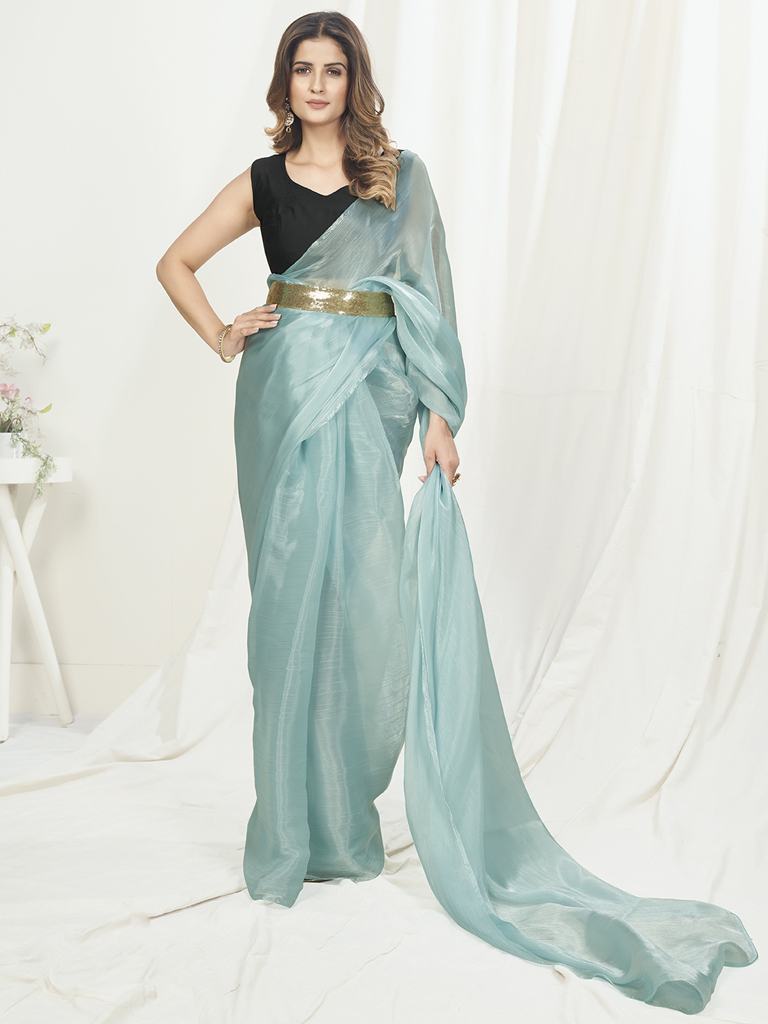
Quiet luxury uses texture to create richness. Organza has crisp transparency. Satin reflects light. Handloom silk has weave. Banarasi-inspired textiles carry woven pattern. Chanderi-like fabrics can feel airy. Even cotton can look elevated through weave and finishing. When the fabric itself creates dimension, you do not need a dense layer of sequins on top.

A cream organza suit with satin pants demonstrates this clearly. The outfit is visually interesting because the top, dupatta and bottom respond to light differently. Add one jewellery family and a deliberate bag, and the look can feel complete without additional surface decoration.
Neutrals are useful, not compulsory
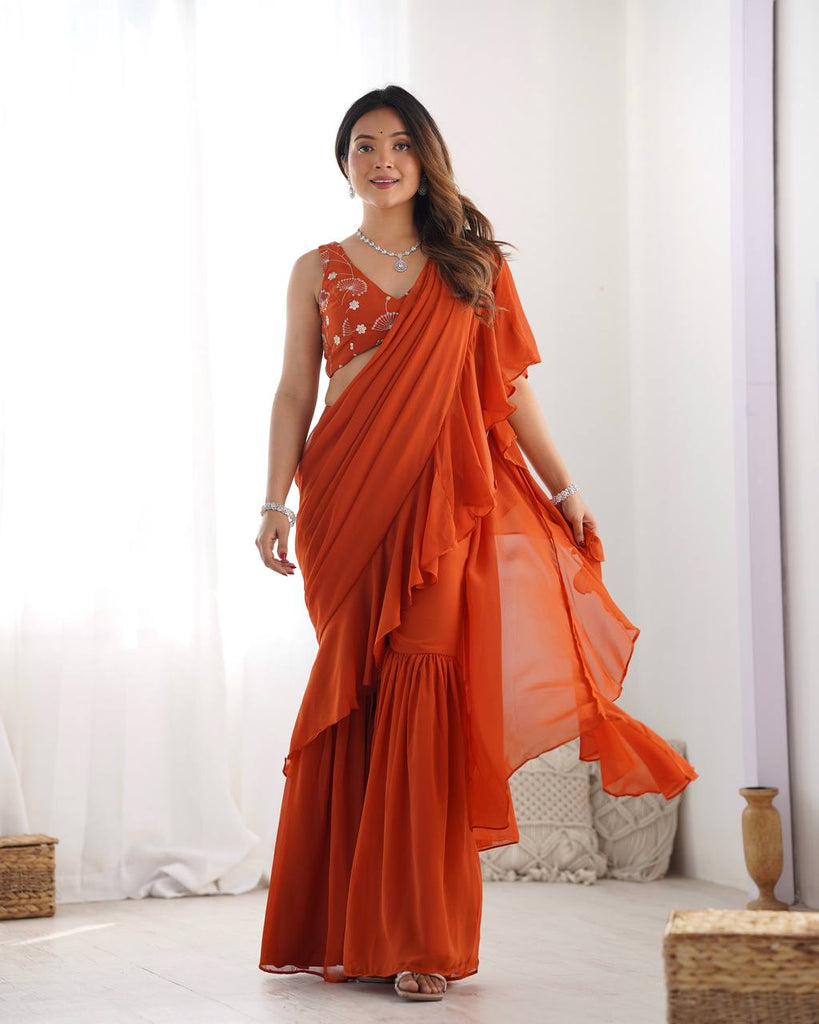
Quiet luxury is often shown in cream, beige, ivory, black and brown, but colour can be equally refined. Deep green, navy, plum, rust, powder blue and even bright pink can look understated when the silhouette and accessories are controlled. The principle is not “wear beige.” The principle is “remove visual noise.”
If you love saturated colour, use tonal dressing. A deep green saree with a slightly darker green blouse creates depth without contrast clutter. A purple saree with plum accessories feels rich. A rani-pink outfit can become sophisticated with one antique-gold jewellery family and a simple hairstyle rather than several competing accents.
Handloom sarees are natural quiet luxury
Woven sarees are central to the 2026 mood because the craftsmanship is visible in the textile. A black Katan-style saree, for example, can look striking with very little jewellery. The eye notices border, sheen and drape rather than an applied embellishment layer.

For a wedding, pair black or another deep handloom colour with one statement earring, a clean blouse and a well-structured pallu. For a festival, add a bindi and bangles. The saree becomes the luxury object, while styling simply frames it.
White and ivory woven sarees
White and ivory are especially effective because every texture becomes visible. Woven motifs, borders and the pallu create subtle contrast. Pearls make the look softer. Antique gold makes it warmer. A jewel-tone blouse can completely transform it for another event.

The quiet-luxury blouse
A quiet-luxury blouse is not necessarily simple, but its design has a clear purpose. Square necks, sculpted sweetheart necks, clean boat necks, elbow sleeves and refined sleeveless cuts all work. Use piping, covered buttons, tonal embroidery or texture rather than automatically adding heavy stones. Excellent fit around the armhole and neckline matters more than trend details.
One useful strategy is to build blouses that can serve multiple sarees. Black, antique gold, ivory and one jewel tone can cover a surprising amount of a wardrobe. A versatile blouse increases the value of every saree you own and makes rewear easier.
Jewellery: one focal point
Instead of wearing a necklace, large earrings, maang tikka, stacked bangles and rings together, choose one primary focal point and one support. A choker plus small earrings; statement earrings plus a cuff; pearls plus one ring. This creates hierarchy. The eye knows where to look.
Jewellery quality is also easier to appreciate when it has visual space. Even costume jewellery can look more refined when the scale suits the neckline and the metal family is repeated in the bag or shoes. Avoid mixing several unrelated metallic tones unless the outfit is deliberately eclectic.
Footwear and bags
Quiet-luxury styling pays attention to practical accessories because worn-out or overly decorated shoes can break an otherwise polished look. Choose clean sandals, juttis or heels with good finishing. A structured clutch, understated potli or small bag in a related metallic or neutral usually works better than a heavily embellished bag that competes with the clothing.
Hair and makeup
Sleek buns, controlled waves, polished ponytails and clean centre parts all suit understated ethnic wear. Makeup should support the garment’s colour temperature. Warm neutrals, defined brows and a rose, berry or brick lip often create enough contrast. The objective is not “no makeup”; it is intentional makeup.
Quiet luxury for weddings
Wedding guest dressing does not need to imitate bridal intensity. A woven saree with a beautiful blouse, a cream suit with statement earrings or a deep monochrome Anarkali can look fully occasion-appropriate. Focus on texture and one ceremonial signal such as traditional jewellery, a bindi or a richer dupatta.
If you are close family, increase formality through jewellery or fabric rather than adding unrelated decorations. A better silk, wider woven border or more structured blouse can raise the look without turning it into maximalism.
Quiet luxury for festivals
Festivals offer an opportunity to wear craft and colour with comfort. A handloom saree, straight kurta set, organza suit or simple lehenga in a strong textile can feel special. Add flowers, a bindi, bangles or traditional earrings as the festive cue. Because the base outfit is restrained, one traditional accessory becomes more visible.
Quiet luxury on a realistic budget
The trend should not be treated as a demand to spend more. The most effective budget approach is to buy fewer things that combine well. Prioritise fabric and fit, then repeat accessories. Tailor existing clothes. Reuse blouses. Steam or press garments correctly. Replace loose hooks. Clean shoes. A carefully maintained outfit often looks more expensive than a new but poorly prepared one.
Colour consistency also creates polish for free. If the saree has warm gold, choose warm bag hardware and jewellery. If the outfit is cool grey, silver and pearl may look coherent. This level of editing can transform affordable ethnic wear.
How to shop online for an understated look
- Read fabric composition instead of judging only sparkle.
- Zoom into seams, borders, woven detail and finishing.
- Check measurements carefully so alterations stay minimal.
- Look at the garment from front, side and back where photos are available.
- Choose colours that work with jewellery and footwear you already own.
- Prefer pieces that can be styled for more than one occasion.
- Check care requirements before buying delicate fabric.
- Allow time for tailoring before a major event.
What quiet luxury is not
It is not a rule that everyone must wear neutral colours. It is not a rejection of embroidery or traditional jewellery. It is not a guarantee that expensive clothes look refined. And it is not an excuse for boring styling. A bright Kanjivaram, a mirror-work blouse or a statement necklace can all fit the philosophy if the rest of the outfit gives that element room.
Common mistakes
The most common mistake is using “minimal” as a reason to ignore fit. The second is choosing a pale neutral that washes out the wearer without adding enough contrast around the face. The third is mixing too many different textures in an attempt to create richness. Finally, avoid buying a new matching accessory set for every outfit. Repetition of excellent accessories is part of a coherent personal style.
How to build a quiet-luxury ethnic capsule
Start with one woven saree, one neutral suit, one deep-colour evening outfit and two versatile blouses. Add one gold-toned jewellery set, one pearl or cool-metal option, one neutral shoe and one dressy flat. With those pieces, you can create many combinations through drape, hairstyle and accessory scale. The capsule should reflect your life, not an internet checklist.
Care is part of luxury
Clothing looks expensive when it is maintained. Follow care labels, remove pins before storage, keep embellished pieces away from delicate fabric, air garments appropriately after events and repair loose closures quickly. Store structured organza with enough space that it is not crushed. Keep saree folds clean and organised. Maintenance protects both appearance and rewear value.
Frequently asked questions
Does quiet luxury mean only beige and white?
No. Deep and bright colours can look understated when styling is edited and the fabric is allowed to lead.
Can sequins fit quiet luxury?
Yes in controlled amounts. A small sequin border or one embellished blouse can be balanced by simple styling elsewhere.
Which sarees suit the trend best?
Handloom, woven, silk, subtle satin, organza and elegant printed sarees can all work. Fit and styling matter more than a label.
How can I look expensive on a budget?
Prioritise tailoring, pressing, coherent colour, clean footwear, restrained accessories and pieces you can rewear.
What jewellery should I buy first?
Choose the metal family you wear most often, then invest in one versatile earring and necklace combination rather than several highly specific sets.
Can quiet luxury work for a big Indian wedding?
Yes. Increase formality through textile, jewellery and blouse construction without adding visual noise everywhere.
Is handloom necessary?
No. Handloom fits the philosophy naturally, but many other fabrics can look refined when well cut and styled.
What is the most important element?
Fit. Correct proportion and tailoring make every other element look more deliberate.
Final thought
Quiet luxury in Indian wear is less a trend than a useful editing principle. Let one thing be beautiful at a time: the weave, the colour, the blouse, the jewellery or the drape. When fabric, fit and proportion are strong, you can remove half the decoration and often gain more impact. That is why this 2026 direction is likely to outlast the season—it rewards the parts of Indian clothing that have always mattered.