
Once reserved for brides and temple ceremonies, the ear chain, the sahara, was having its most fashionable moment yet. From Durga Puja pandals to the Met Gala red carpet, India’s leading women were rewriting what heritage jewellery could look like.
Once tucked away in bridal trousseaus and temple jewellery boxes, the ear chain was having its most unapologetically fashion-forward moment. And India’s leading women were at the forefront of its revival.
A Heritage Piece with Ancient Roots
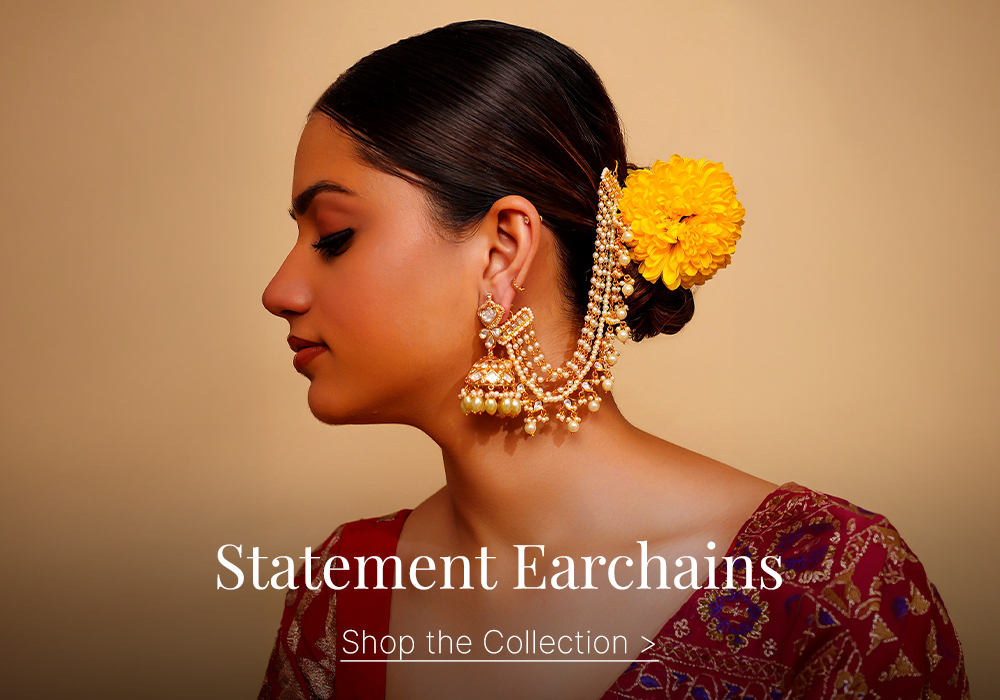
Long before it graced the pages of fashion editorials, the ear chain, traditionally known as the ‘sahara’ or ‘kaan phool’, held a revered place in Indian jewellery history. Crafted in gold and adorned with pearls, precious gemstones, or intricate filigree work, it served both a practical and deeply ornamental purpose: supporting the weight of heavy earrings while extending delicately from the earlobe toward the hairline.
Queens, classical dancers, and brides wore these chains as essential components of ceremonial and festive outfits. The result was a look that was simultaneously ornate and harmonious, jewellery that did not merely decorate but narrated stories of grace, status, and lineage. Each piece was a wearable heirloom, passed down through generations as a symbol of feminine elegance.
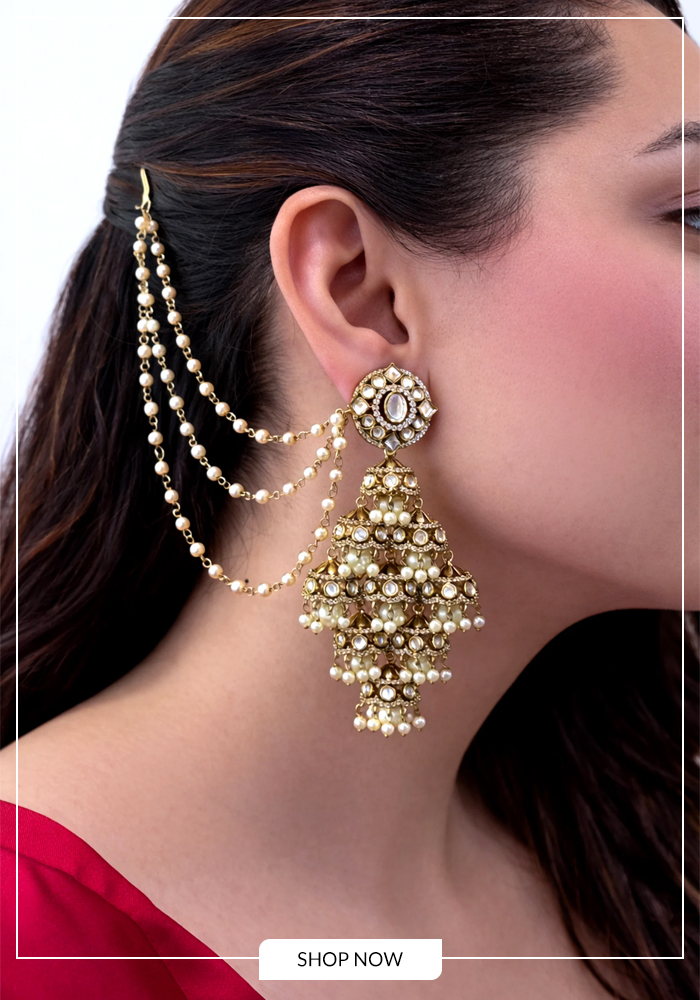
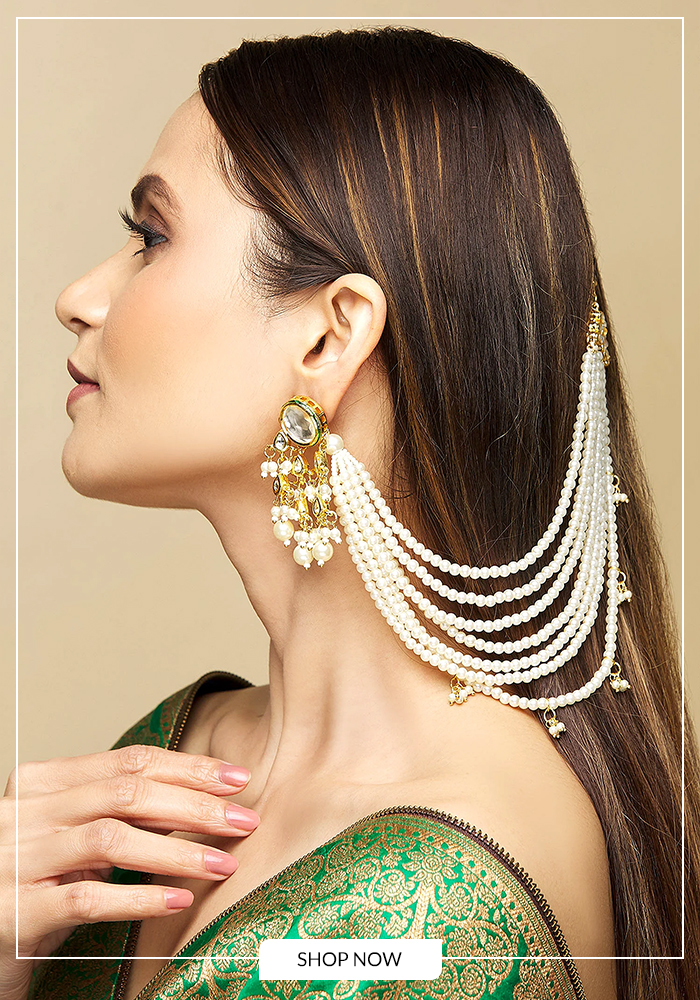
Over time, the ear chain transcended its Indian origins to find resonance across design cultures. Modern jewellers began experimenting with lighter, detachable interpretations, while the concept of linking jewellery from the ear found its way into alternative fashion. Grunge and punk aesthetics embraced the chain’s architectural quality, lending it an edgy, rebellious character. From royal courts to edgy street style, the ear chain had always been more than an accessory, it was an attitude.
How Bollywood Brought the Sahara Back
Bollywood played a defining role in transforming the ear chain from a bridal-only relic into a must-have styling statement. Across festivals, red carpets, and magazine covers, India’s leading ladies had been reaching for the sahara, not as an afterthought, but as the centrepiece of their looks. With the right ear chain, heavy necklaces were rendered unnecessary; the face itself became the canvas
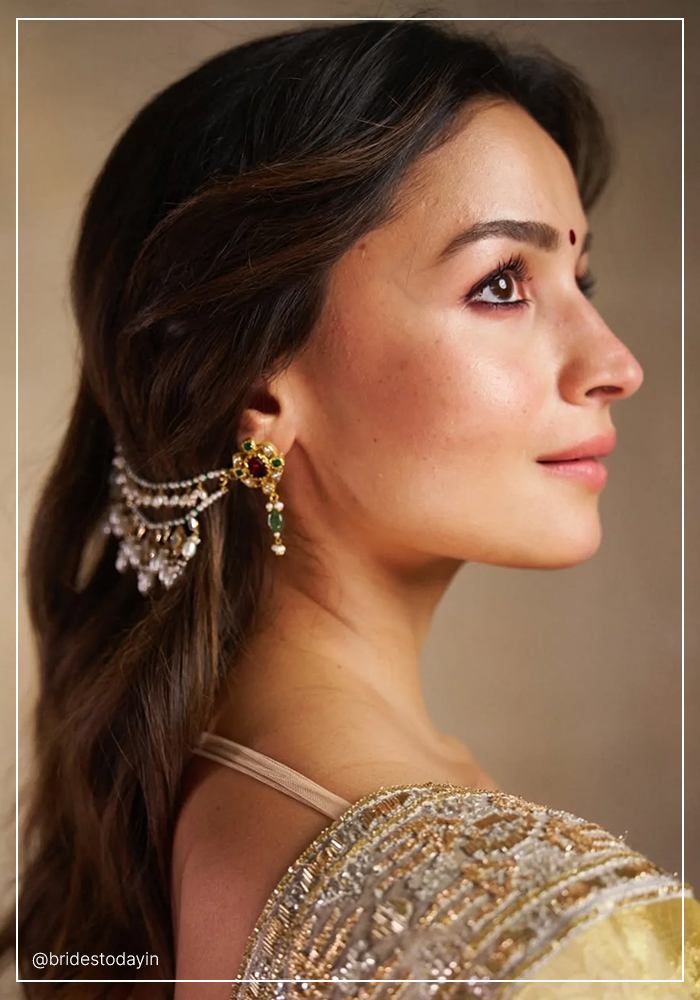
Alia Bhatt
Alia Bhatt turned heads during the Durga Puja festivities, styling a fine gold ear chain with a serene Jamdani saree. Styled by Rhea Kapoor, the look struck the perfect balance between heritage and restraint; clean neckline, subtle makeup, and an ear chain that drew every eye.
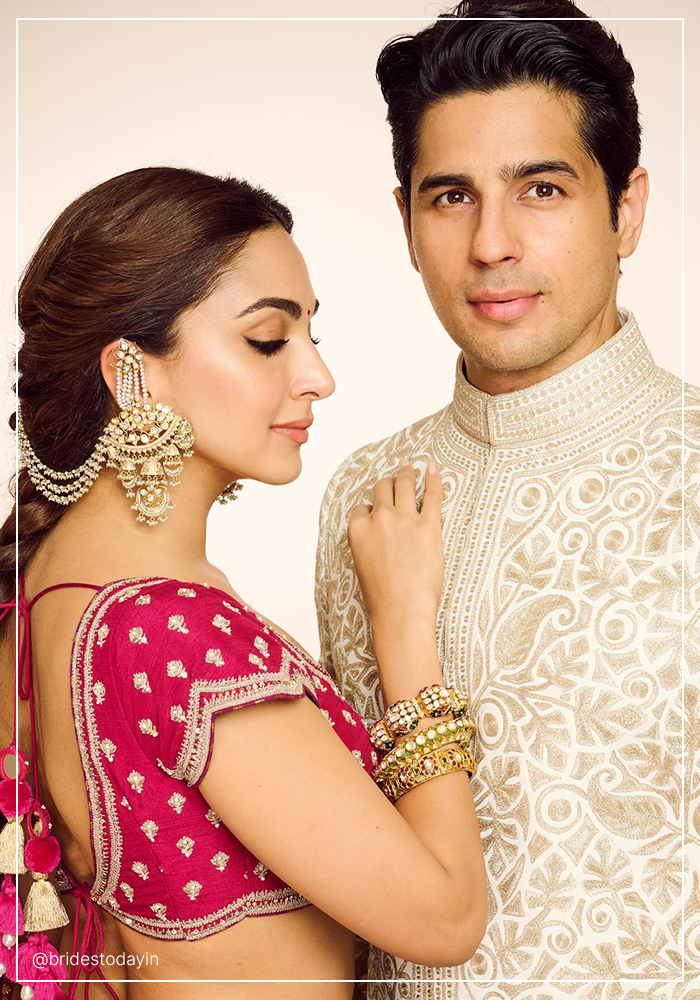
Kiara Advani
Kiara Advani gave the classic ear chain a regal update, pairing an elaborate pearl-draped design with a vibrant embroidered blouse and braid. Styled with statement earrings and stacked bangles, the look felt festive yet polished — ideal inspiration for wedding celebrations and festive dressing.
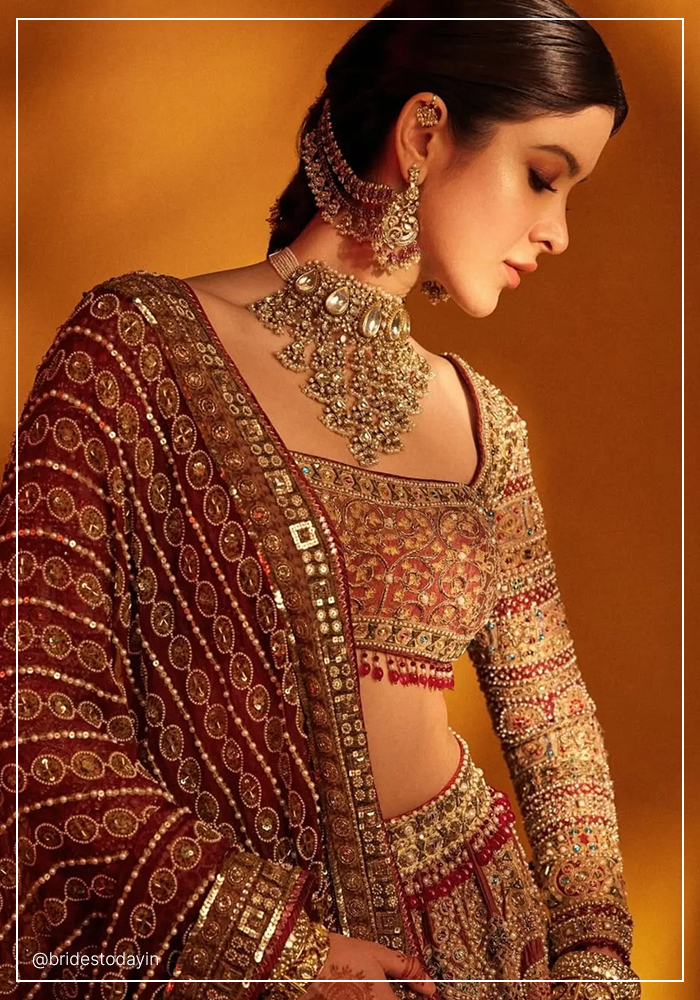
Shanaya Kapoor
Shanaya Kapoor embraced maximalist elegance with an ornate kundan ear chain paired with a heavily embellished lehenga. The statement jewellery framed her sleek hair and complemented layers of traditional gems, proving that an ear chain can hold its own even in the most opulent bridal-inspired styling.
The Ear Chain at the Altar
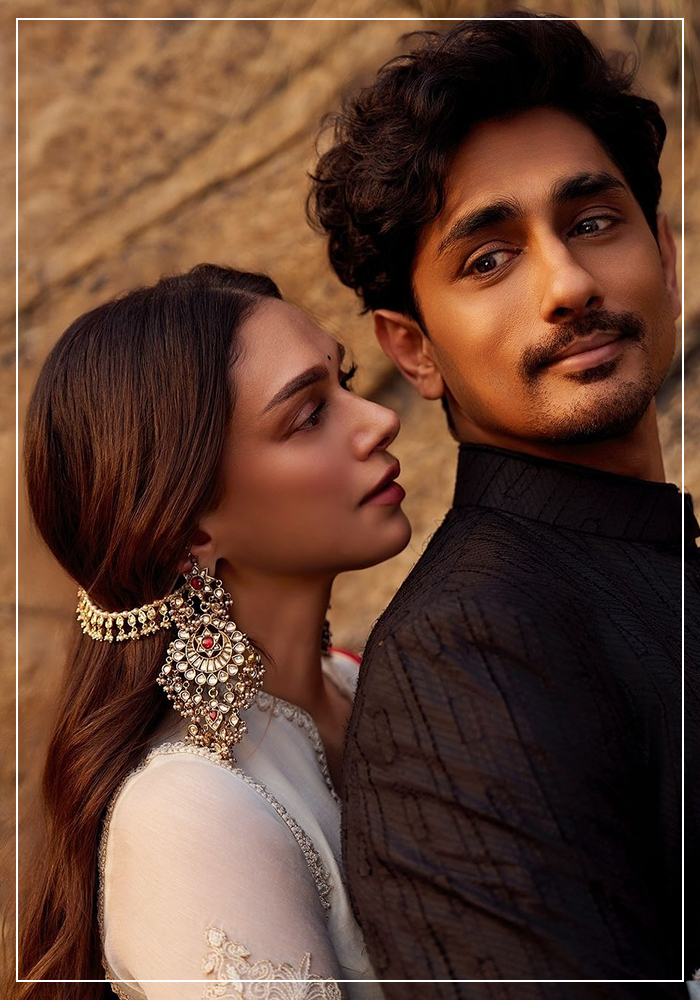
Perhaps nowhere did the ear chain’s revival feel more poignant than at the weddings of two of Bollywood’s most beloved: Aditi Rao Hydari and Rashmika Mandanna. Both had long championed Indian craft and heritage dressing, and when it came to the most significant dressing occasion of their lives, both reached for the ear chain, not as nostalgia, but as a conscious, deeply personal choice.
For Aditi, whose aesthetic has always walked the line between poetry and precision, the ear chain at her wedding felt inevitable. She wore it as part of a bridal outfit that was characteristically her: layered with meaning, rich in craft, and resistant to trend-chasing. The delicate links running from her ears toward her hairline were less adornment and more armour, a piece of jewellery that said something about who she was and where she came from.
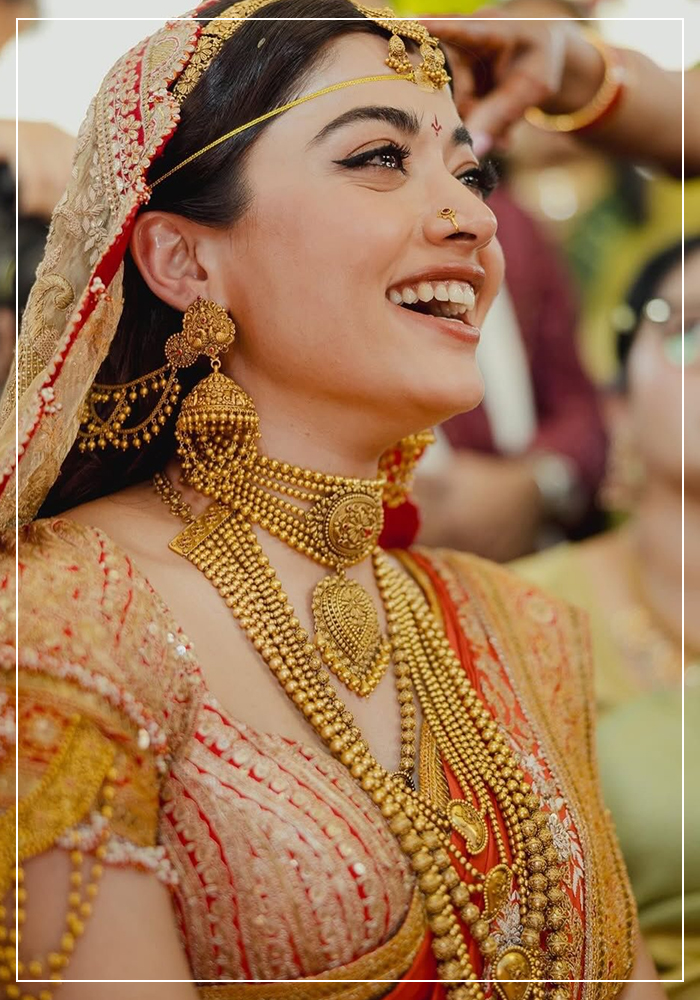
Rashmika’s choice carried its own significance. A star who had bridged South Indian cinema and Bollywood with effortless grace, her bridal ear chain nodded to a jewellery tradition that ran deep across both cultures. On her wedding day, the sahara was not a styling decision, it was a homecoming.
Their choices did more for the ear chain than any editorial or red carpet appearance could. When a bride chooses a piece, she is choosing it for keeps. And in doing so, Aditi and Rashmika signalled to an entire generation of soon-to-be brides: the sahara belongs here, at the centre of your most beautiful day.
Gauravi Kumari Takes the Ear Chain to the Met
Just when the ear chain’s revival felt complete within India’s fashion ecosystem, it made its most high-profile global statement yet. At the most recent Met Gala, Gauravi Kumari – the young Mewar royal whose red carpet appearances have consistently made a case for living Indian heritage – stepped out wearing a resplendent ear chain that stopped the internet in its tracks.
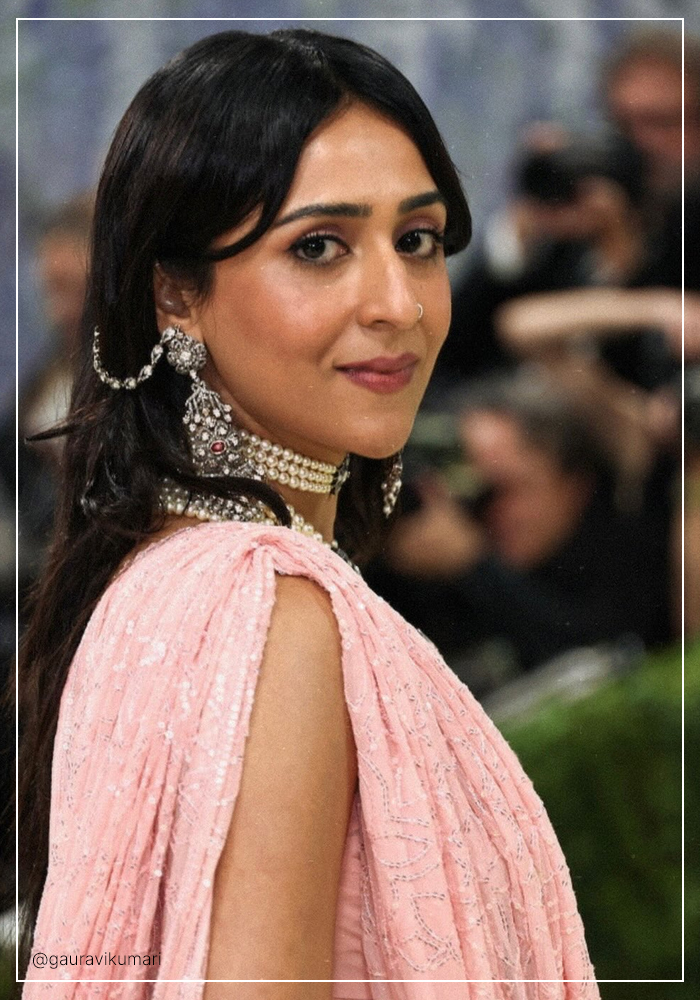
On the steps of the Metropolitan Museum of Art, the sahara held its own alongside the most extravagant looks the world’s fashion establishment could produce. Gauravi’s ear chain was not a costume; it was a credential. The kind of jewellery that carries centuries in its links, worn by a woman who understood exactly what she was carrying. In a sea of international fashion theatre, it was India’s jewellery heritage that emerged as the most quietly radical statement of the evening.
If Alia, Janhvi, Aditi, Rashmika, Kiara and Sobhita had brought the sahara back to India’s festive and red carpet dressing, Gauravi Kumari had taken it to the world. The ear chain, once confined to trousseau boxes — now had a global address.
3 New Rules of Wearing the Ear Chain
The ear chain’s great modern achievement was versatility. Designers had been reimagining it in lightweight metals, geometric shapes, and gemstone-studded forms — pieces that moved easily from a silk saree to a tailored co-ord set. The styling rules, such as they were, were few and intuitive.
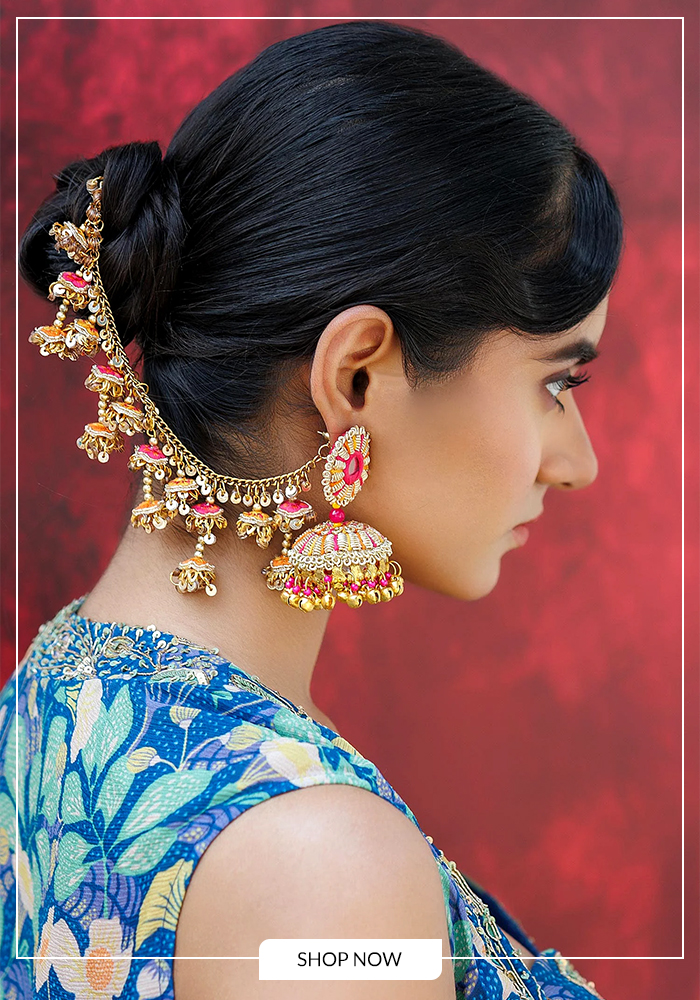
Let It Lead
Skip the necklace entirely. A well-chosen ear chain frames the face and neckline with more elegance than most statement necklaces could manage.
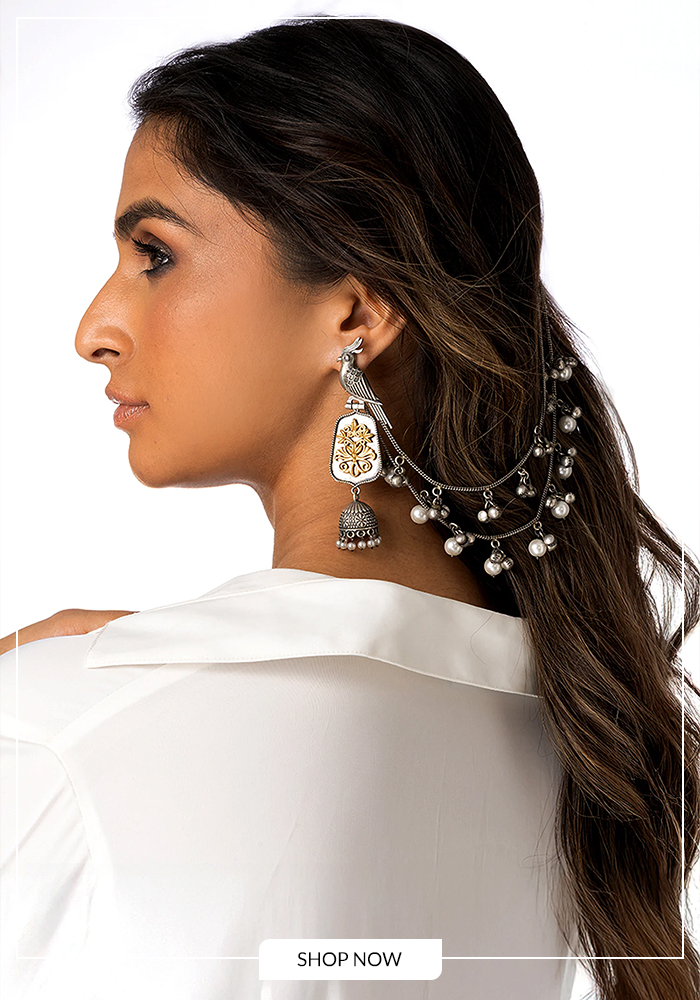
Mix Metals
Gold against oxidised silver, or a pearl-strung chain against contemporary geometric earrings, contrast became part of the aesthetic in modern interpretations.
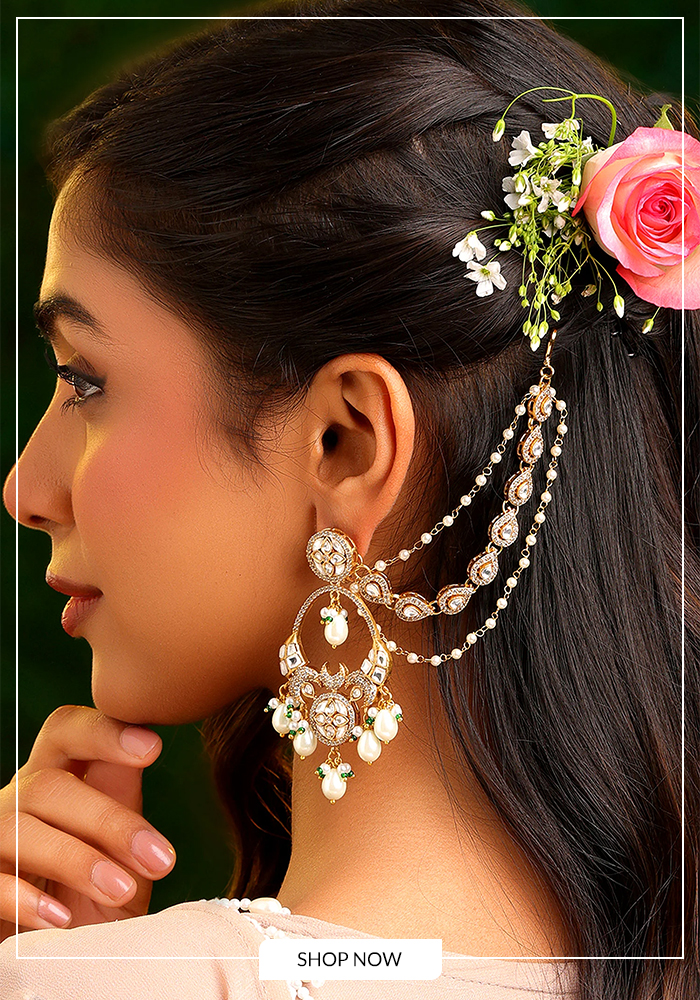
Balance the Drama
If your ear chain is ornate or gemstone-heavy, let it remain the hero of the look. Pair it with softer silhouettes, delicate bangles, or understated makeup to avoid overwhelming the outfit. The key is balance — when the sahara speaks loudly, everything else can whisper.
Wear It Simply
The ear chain did its best work against minimal styling. Clean hair, a bare neck, and a single chain — the restraint was what made it extraordinary.
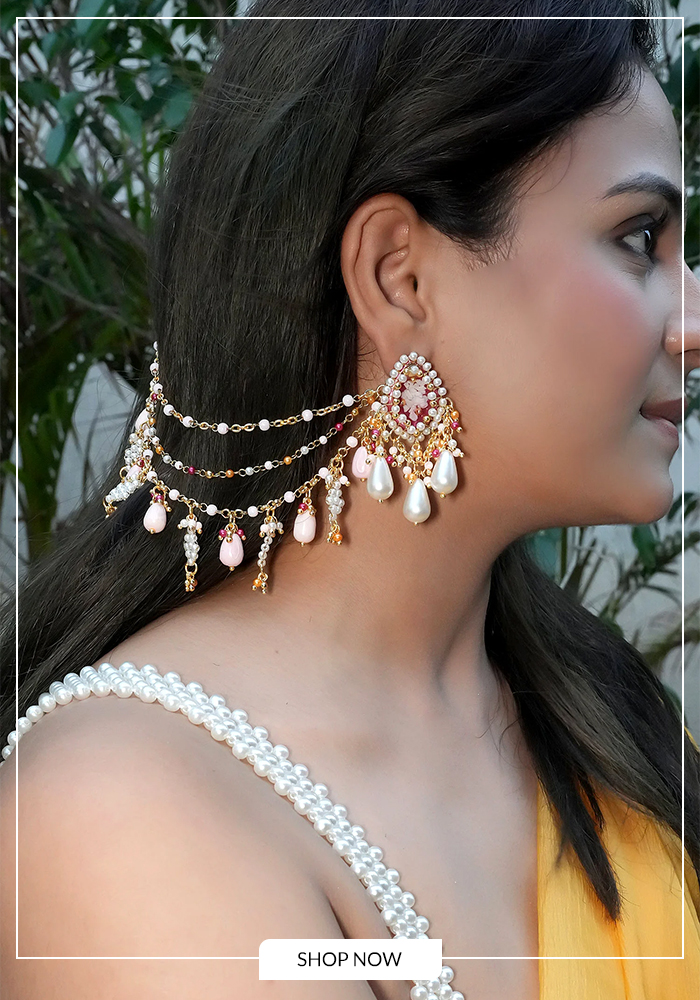
Whether worn with a Banarasi lehenga at a winter wedding, with a silk sharara at a festival, or with a minimalist kurta at an intimate gathering, the ear chain had proven its range. It was no longer asking permission to occupy modern wardrobes. It had simply moved in, and made itself at home.
